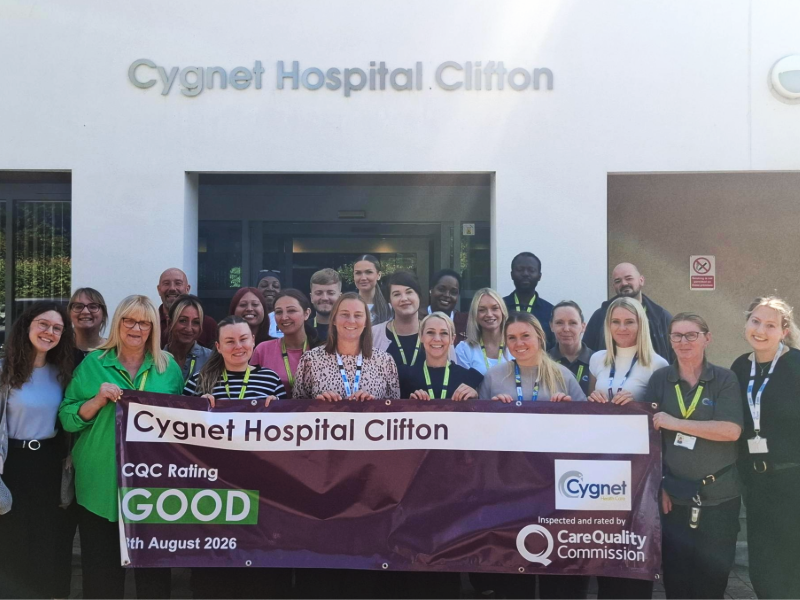
The positive feedback was highlighted in a recent inspection by the Care Quality Commission (CQC), which rated the 25-bed specialist low secure service for men with a personality disorder Good across all five key areas – safe, effective, caring, responsive and well-led.
Inspectors spoke with five patients and three carers during the assessment, with the report stating that feedback about the quality of care and treatment was “overwhelmingly positive.”
Patients told inspectors they felt safe, supported and well cared for by staff, who were described as “kind, approachable, respectful and understanding.”
One patient told the CQC: “If discussions or decisions around my care are changing then this is discussed with me first. I feel included and able to express my views and wishes.”
Carers were equally positive about the service. The CQC report said: “Relatives described communication as good and told us they felt informed and involved.” One relative told inspectors their family member had “turned into a new man” since being admitted to the Cygnet Health Care service while another described the support provided by staff as “beyond exceptional”.
Another relative told the CQC: “I always feel involved and able to contact the service if I have any concerns or questions.”
The service also received positive feedback about the impact of staff support on patients’ recovery and wellbeing. One carer told the service: “Over these last week’s X does now appear to be very much more settled than they have been for many years and appears to be doing exceptionally well.” Another patient said: “I want to thank the team for all their help and support.”
The inspection also highlighted the rehabilitation opportunities available at Cygnet Hospital Clifton and the progress patients were making towards greater independence.
The CQC said: “People who used the service consistently experience positive outcomes. Staff supported patients to develop practical life skills, engage in education and vocational opportunities, access community environments and increase their confidence and independence. Staff were able to demonstrate examples of patients progressing towards less restrictive environments and preparing for successful discharge into the community.”
Occupational therapy was identified as a key strength by the regulator.
The report read: “Occupational therapy formed a key part of treatment delivery and focused on helping patients develop the skills required for greater independence and successful progression through the rehabilitation pathway.
“OT and ward-based activities supported patients to improve their physical wellbeing, develop healthy routines, and increase community participation. Staff ensured patients had access to activities including cooking, gardening, community engagement opportunities, health and well-being groups and programmes designed to build confidence, independence and life skills.”
The CQC found that patients were actively involved in decisions about their care and treatment and said care plans were “comprehensive, person centred and regularly reviewed.” The report said staff wrote care plans in the patient’s voice and reflected individual strengths, aspirations and support needs.
Inspectors also praised the relationships between patients and staff.
The CQC said: “Staff treated patients with kindness, compassion and dignity. Staff treated patients as individuals and enabled independence, choice and control.
“We observed staff consistently treating patients with kindness, compassion, and respect. Interactions were warm, professional and person centred, and staff demonstrated a good understanding of patients’ individual needs, personal circumstances and recovery goals.”
Inspectors said patients appeared comfortable approaching staff for support and guidance, with staff responding in a caring and timely manner. The CQC also found that staff understood the importance of therapeutic relationships and worked in a way that “promoted trust, respect and recovery.”
The CQC also applauded the leadership and stability of the workforce at Cygnet Hospital Clifton.
Inspectors said: “Leaders demonstrated a clear commitment to supporting staff wellbeing, development and retention.” Inspectors found that staff consistently described leaders as visible, approachable and supportive, and told them they felt valued by the leadership team. The service had no vacancies at the time of the assessment, with the CQC noting that its stable workforce contributed to continuity of care and positive working relationships across teams.
The report said: “Staff felt supported, appreciated, and able to contribute positively to the service, which helped create an environment where patients received care from a motivated and engaged workforce.”
The report also highlighted the service’s commitment to listening to patients and carers, acting on feedback and involving them in the ongoing development of the service.
Hospital Manager Marie Howlett said: “We are delighted to have received a Good rating across all five areas and are very pleased with the report. We have worked incredibly hard since our previous inspection to improve our rating and I am so proud of the team’s continued focus and commitment to this over the past five years.
“What stands out most for me is the dedication that every member of staff has shown on a daily basis, feedback from patients and families and the recognition of the progress people are making during their time with us.
“Our aim is to support people to build the skills, confidence and independence they need for their next steps, and it is particularly pleasing to see the CQC recognise the work and progress that has been made.
“I’d like to again thank the whole team for their continued commitment and for the daily support they provide to ensure individuals in our care receive the highest standards of care.”