The Autism Accreditation is the UK’s only autism-specific quality assurance programme and is internationally recognised as a mark of excellence. It is awarded to organisations that demonstrate best practice and a deep understanding of how to support autistic individuals to lead fulfilling and independent lives.
The NAS described Thornfield Grange, Etherley Lane, Bishop Auckland, as demonstrating “a strong commitment to promoting the emotional wellbeing, safety, and quality of life of each autistic person through a person-centred and proactive approach.”
The assessment report for the Cygnet Social Care service said: “Staff consistently recognise subtle signs of distress, and respond with empathy and skill to support emotional regulation and self-esteem.
“The environment is thoughtfully adapted to promote comfort, autonomy, and engagement, with meaningful activities embedded throughout the day to foster enjoyment, skill development, and social inclusion.”
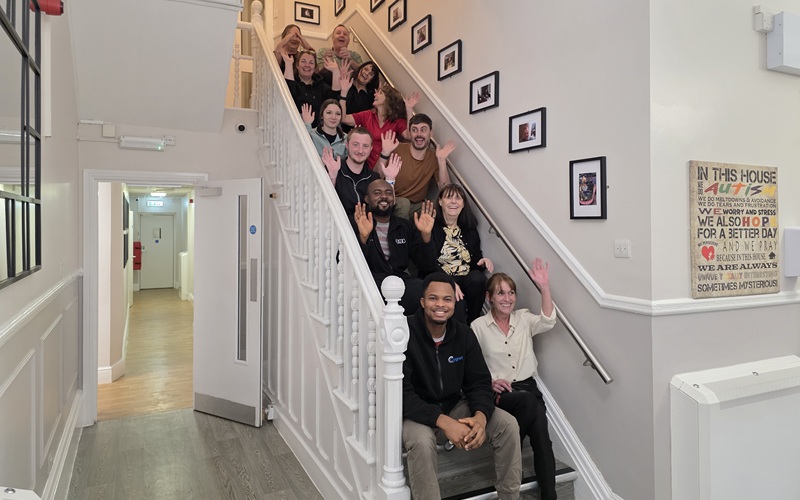
Kelly Neave, Manager at Thornfield Grange, said: “Achieving accreditation from the National Autistic Society is a significant milestone that highlights our commitment to enhancing the lives of those we support. This achievement signifies our dedication to integrating evidence-based practices, delivering individualised and person-centred care, and empowering our residents to lead fulfilling lives.
“It is the culmination of extensive efforts and unwavering dedication from our outstanding team, who work collaboratively with residents, their families, and the Thornfield Grange team to maintain the highest standards of support.
“We are immensely gratified to have received this accreditation, which not only recognises our collective achievements but also reinforces our ongoing mission to effect meaningful change.”
The NAS assessors praised Thornfield Grange for creating a safe and supportive environment where “autistic individuals appeared to feel safe, calm, and at ease.”
Staff were recognised for demonstrating “a strong understanding of each autistic person’s individual support needs” and for using “proactive and preventative strategies to reduce the likelihood of anxiety, confusion, or distress.”
The report commended the service for ensuring that autistic people are treated with dignity and respect, noting that “at all times, autistic people were treated with dignity, status, and respect, and were provided with meaningful positive feedback to boost confidence, self-esteem, and self-worth.”
Assessors observed: “All individuals appeared happy and engaged in their sessions with staff consistently reinforcing positive behaviour with regular, meaningful verbal praise such as ‘good job’ and ‘that’s amazing’.”
Inspectors also highlighted the way staff supported individuals to regulate emotions and develop independence.
“When subtle signs of heightened anxiety were recognised, staff skilfully employed well-established strategies such as distraction and redirection,” the report stated. “Positive support strategies enabled individuals to keep themselves and others safe, while promoting functional skill development and self-awareness.
“Staff provide the appropriate level of support to enable each autistic person to experience a sense of completion and success, while helping them develop self-reliance and resilience. Staff were confident in ‘stepping back’ to allow individuals to complete tasks independently and demonstrated a strong understanding of each autistic individual’s needs and goals, providing discreet support, when necessary, such as reassurance or clarification.”
The environment at Thornfield Grange was praised for being well thought-out and reflective of residents’ preferences. Assessors observed that “bedrooms are decorated in accordance with individual preferences” and that “corridors have been decorated with pictures of residents in the home or on activities.” They also noted creative sensory-friendly adaptations such as a fish tank with visual information sheets, personalised sensory walls, and a clutter-free, calming communal space.
The report praised staff for adapting communication methods and noted: “In all observations, staff supported each autistic person by simplifying and adapting their spoken language to aid understanding. This ensured all individuals appeared to fully understand the verbal instructions provided and were confident in following them.”
Autistic people were seen to be engaged in a variety of meaningful activities that promoted choice, skill development, and independence.