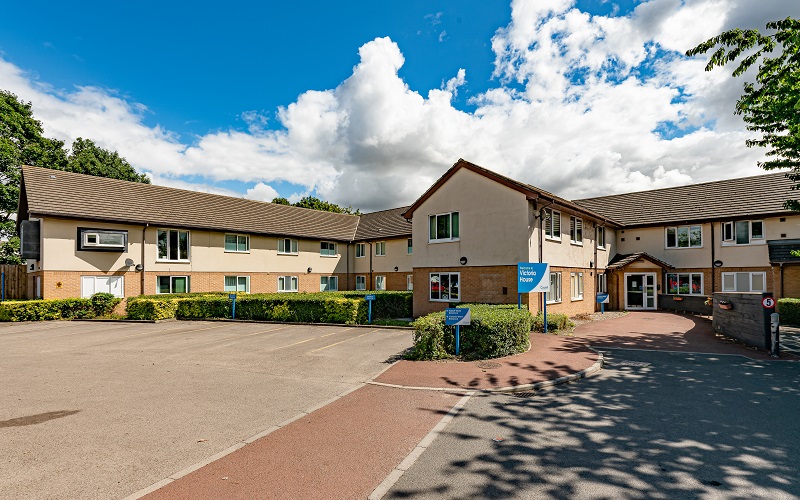
Launching formally on Monday 2nd March, the pathway offers a short-term, highly specialist Neuropsychiatric treatment pathway for men presenting with a complex range of behavioural challenges post diagnosis or injury. The treatment pathway is designed to support stabilisation, reduce risk, and enable safe progression into an appropriate neuropsychiatric rehabilitation setting either via Cygnet St William’s or through a more geographically suitable placement to meet the specific needs of the patient.
The service brings together the acute psychiatric expertise at Cygnet Victoria House with the established neuropsychiatric rehabilitation expertise of Cygnet St William’s, creating a unique and innovative pathway for gentlemen who find themselves in environments less conducive to recovery and treatment or who need to transition from more secure settings.
Dr Matt Rowett, Consultant Neuropsychiatrist and Regional Medical Director (Neuropsychiatry – North) at Cygnet Health Care, explained: “Individuals with an acquired brain injury can present with a range of neuropsychiatric symptoms which exclude them from accessing neurorehabilitation. These can include significant cognitive dysfunction and emotional dysregulation, post-traumatic amnesia, high suicide risk or absconding risk, alongside a range of co-morbid mental health needs. Particularly in the early, hyperacute phase; people are often unable to engage with physical neurorehabilitation services, leaving commissioners and general hospitals with limited safe options to provide early access to treatment.”
“This new pathway gives patients the time, structure and specialist input they need to become able to access the much-needed treatment and rehabilitation following an acquired brain injury; whilst also giving commissioners clarity and confidence about the next steps required to support individuals getting the treatment they need, a better quality of life and a return to community living.”
The HNR pathway is also suitable for those who have found it difficult to engage with previous neurorehabilitation services and/or have found themselves having to move through multiple services often with limited or any positive outcomes, or those requiring reintegration into less restrictive environments following a period of time within secure or forensic settings.
The Hyperacute Neuropsychiatric Rehabilitation pathway has been developed to provide:
- A safe and structured inpatient environment to offer treatment for behavioural neuropsychiatric symptoms
- Rapid access to specialist neuropsychiatric assessment, risk formulation and behaviour management
- Comprehensive reviews of medication and treatment
- Clear recommendations and planning for onward rehabilitation or longer-term placement
Dr Rowett added: “The pathway supports both patients and the wider system by reducing risk, minimising inappropriate placements, and enabling timely access to neurorehabilitation.”
Admissions to the pathway are time-limited and highly focused. Patients receive a comprehensive programme of assessment and treatment delivered by a neuropsychiatric multidisciplinary team including: Consultant Neuropsychiatrist Psychologists, Occupational Therapists, Speech and Language Therapist, Physiotherapist and specialist nursing.
Detailed risk assessments and behaviour management plans are completed, alongside clear clinical recommendations for onward treatment and rehabilitation programmes. This may include progression into a neuropsychiatric rehabilitation bed at Cygnet, transfer to another specialist rehabilitation service, or a further period of stabilisation where clinically indicated.
Dr Rowett highlighted: “By combining acute psychiatric care with specialist neuropsychiatric expertise, the new pathway provides commissioners with a clear, clinically led solution for those people who find that they can use physical actions to communicate frustration and who find it difficult to share how they feel following an injury to their brain.”
“This pathway is about giving people the right care at the point they need it most. Too often, individuals with an acquired brain injury and are left in settings that cannot safely meet their needs, or they face delays in accessing rehabilitation because the risks feel too high.
“By developing this pathway, Cygnet is addressing a long-standing gap in Neurorehabilitation. It is a nationally leading, unique and highly specialised offer, bringing together acute psychiatric care and expert neuropsychiatric rehabilitation in a way that is currently unmatched.
“It reflects our commitment to clinical innovation, collaboration and compassionate, person-centred treatment, and, most importantly, it gives patients the best possible chance to recover and move forward with their rehabilitation.”