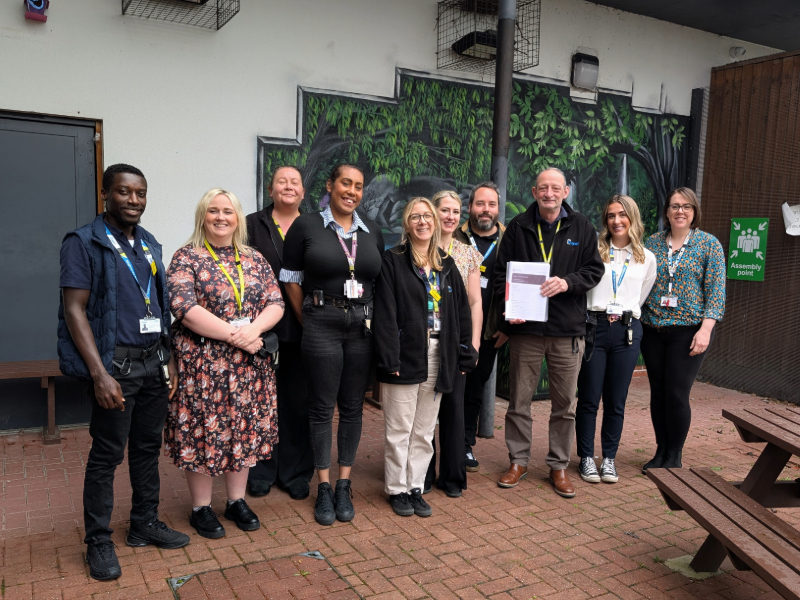
Following its latest inspection, the hospital, which provides a 50-bed low secure and mental health rehabilitation service, was rated Good for being safe, effective, caring, responsive and well-led. The regulator found “high quality, innovative care” was being given across the hospital on London Road and said the staff consistently “exceeded expectations” and “delivered person centred care with confidence and pride.”
The CQC inspectors praised the quality of treatment and outcomes being achieved. They said: “Care and treatment were consistently delivered in line with national guidance and best practice, and staff went beyond this to achieve excellent outcomes for patients. People had access to a wide range of highly specialised support tailored to their individual needs.”
The report emphasised the strength of teamwork across the hospital.
It read: “The multidisciplinary team worked very well together and maintained strong, proactive partnerships with external agencies to ensure continuity of care and the best possible outcomes.”
Cygnet Hospital Derby provides services across three wards; Litchurch Ward, its low secure service, and the Wyvern Unit, a mental health rehabilitation service and Alvaston Ward, a specialist female personality disorder service.
All three wards were part of the inspection and the regulator said it found a deeply embedded culture of kindness and respect across the hospital.
“People using the service were treated with kindness, empathy, and respect,” the report read. “Staff actively promoted dignity, independence, and individual choice, ensuring people remained central to all decisions about their care. Patients consistently told us they felt empowered to understand their rights and stay in control of their wellbeing.
“By providing personalised support, practical tools, and a consistently caring and empowering culture, staff enabled patients to have genuine involvement and maximise their independence, while maintaining safety and security, resulting in improved outcomes, increased confidence, and a meaningful sense of control over their care.”
As part of the inspection, the CQC spoke with patients themselves who spoke highly of their experiences on the wards, making comments like “Staff treat us with dignity and are always very respectful” and “They involve me in everything; the staff are great.” They described staff as “proactive, encouraging, and skilled at helping them make positive changes.”
They also spoke with carers who were equally positive, and the CQC said: “Overall, feedback from patients and relatives reflected a service that treated people with respect, involved them in decisions, and supported them to have a say in their care.”
A wide range of activities and therapies were highlighted as a key strength of the service.
Inspectors said: “A wide range of ward-based and community activities supported patient recovery and promoted long-term healthy habits, including walking groups, fitness sessions, sports, equine therapy, community cycling training (Bikeability), Kung Fu classes, and structured activity schedules.”
The report also detailed the positive outcomes patients are achieving during their time at the hospital: “Patients achieved a wide range of outcomes during their admission, including vocational achievements, development of social and daily living skills, and participation in walking, sports, and wellbeing programmes.
“Personal goals included building confidence, progressing in community-based activities, and preparing for future transitions. Several individuals successfully reintegrated into the community, demonstrating improved independence, resilience, and sustained recovery.”
Praising the quality of staffing and “strong and visible leadership”, inspectors noted: “Leaders were visible, supportive, and fostered a positive culture of learning, collaboration, and continuous improvement across the service.
“Staff consistently demonstrated a visible, person-centred culture, providing care that was exceptionally compassionate, dignified, and kind. Patients received help, emotional support, and advice proactively, exactly when they needed it.
“Staff were highly motivated, empathetic, and proactive in their care, fostering strong, trusting relationships and consistently exceeding expectations.”
Inspectors also highlighted how the hospital invested in extensive work to improve understanding of Equality, Diversity, and Inclusion (EDI) among staff and patients. As a result, patients reported feeling safer, more respected, and more comfortable expressing themselves, contributing to a calmer and more positive ward atmosphere.
“The embedding of EDI principles further enhanced patient experience, promoting dignity, respect, and understanding across all aspects of care, and contributing to a more cohesive, positive, and inclusive ward culture,” the CQC noted.
Hospital manager Mark Varney said he was proud of his team for the report outcome.
“I am really pleased the inspection found that Cygnet Hospital Derby is delivering high-quality, compassionate care, with a clear focus on recovery, independence and positive outcomes for patients,” he said.
“Hearing the feedback from the individuals in our care and their loved ones means a great deal as we always put them at the heart of everything we do.
“This report recognises the difference staff make every day and acknowledges their passion and professionalism. I want to take this opportunity to thank the staff for their commitment, skill and compassion, and all of us here at Cygnet Hospital Derby continue to be dedicated to helping people improve their lives.”