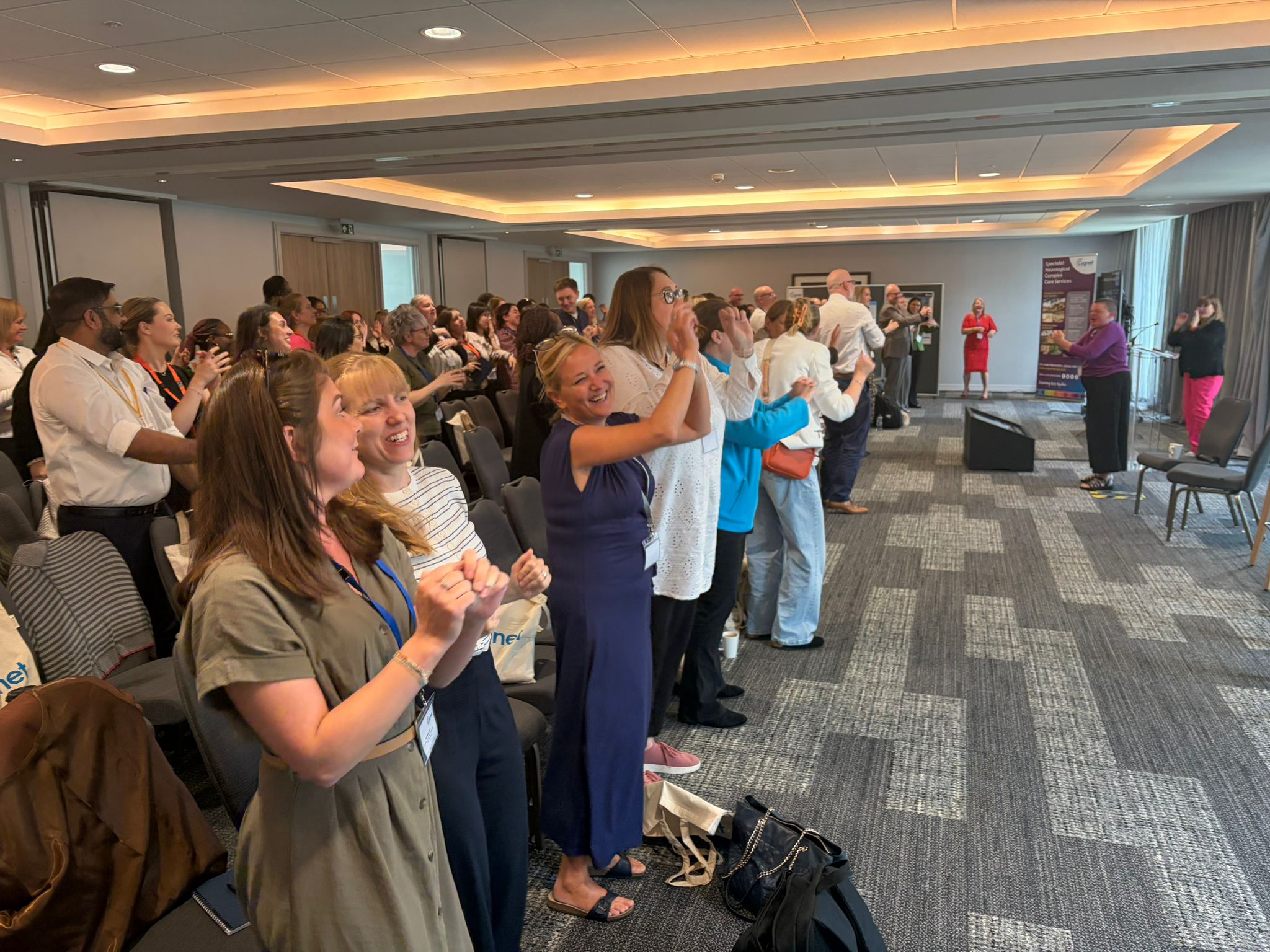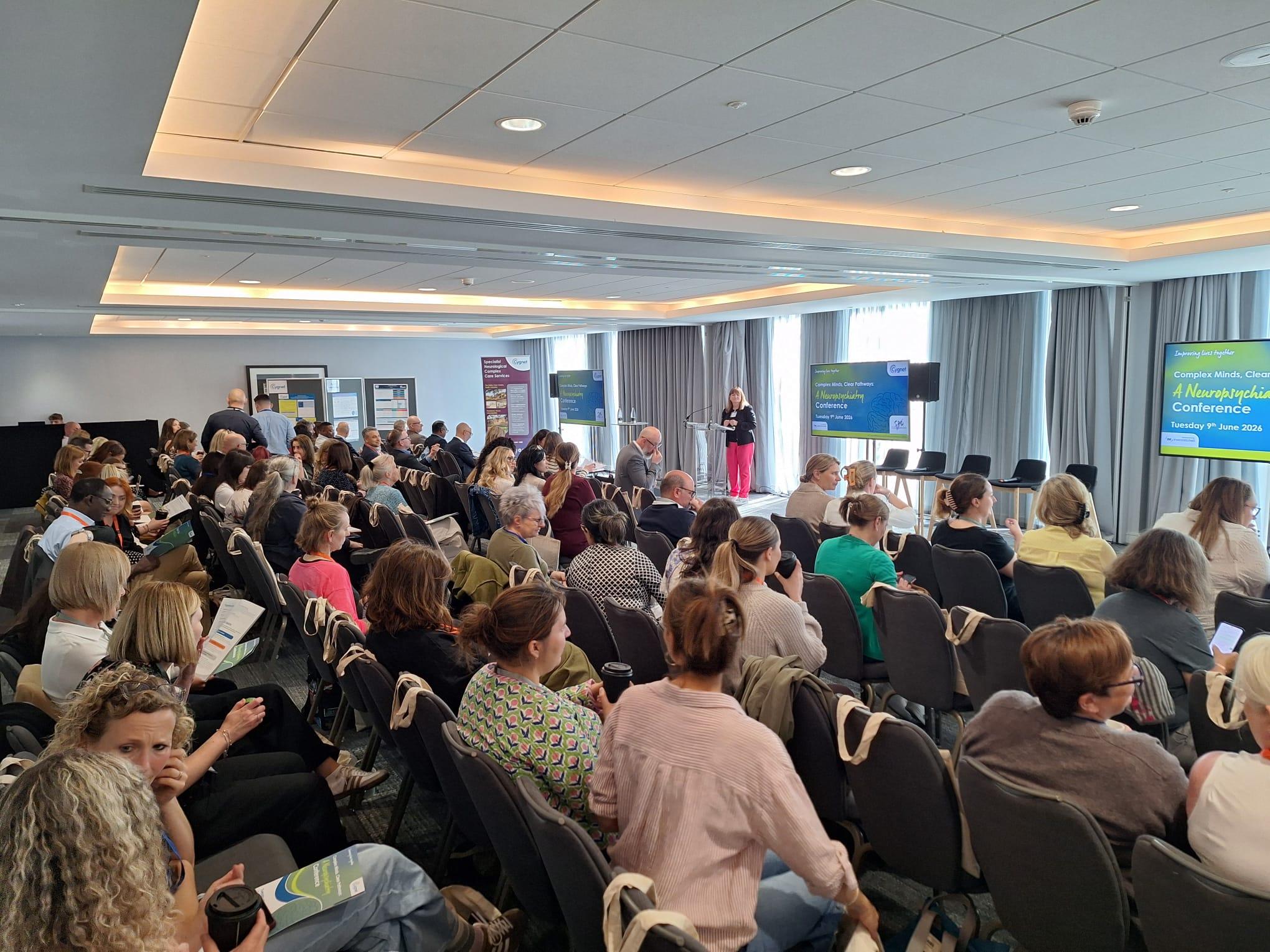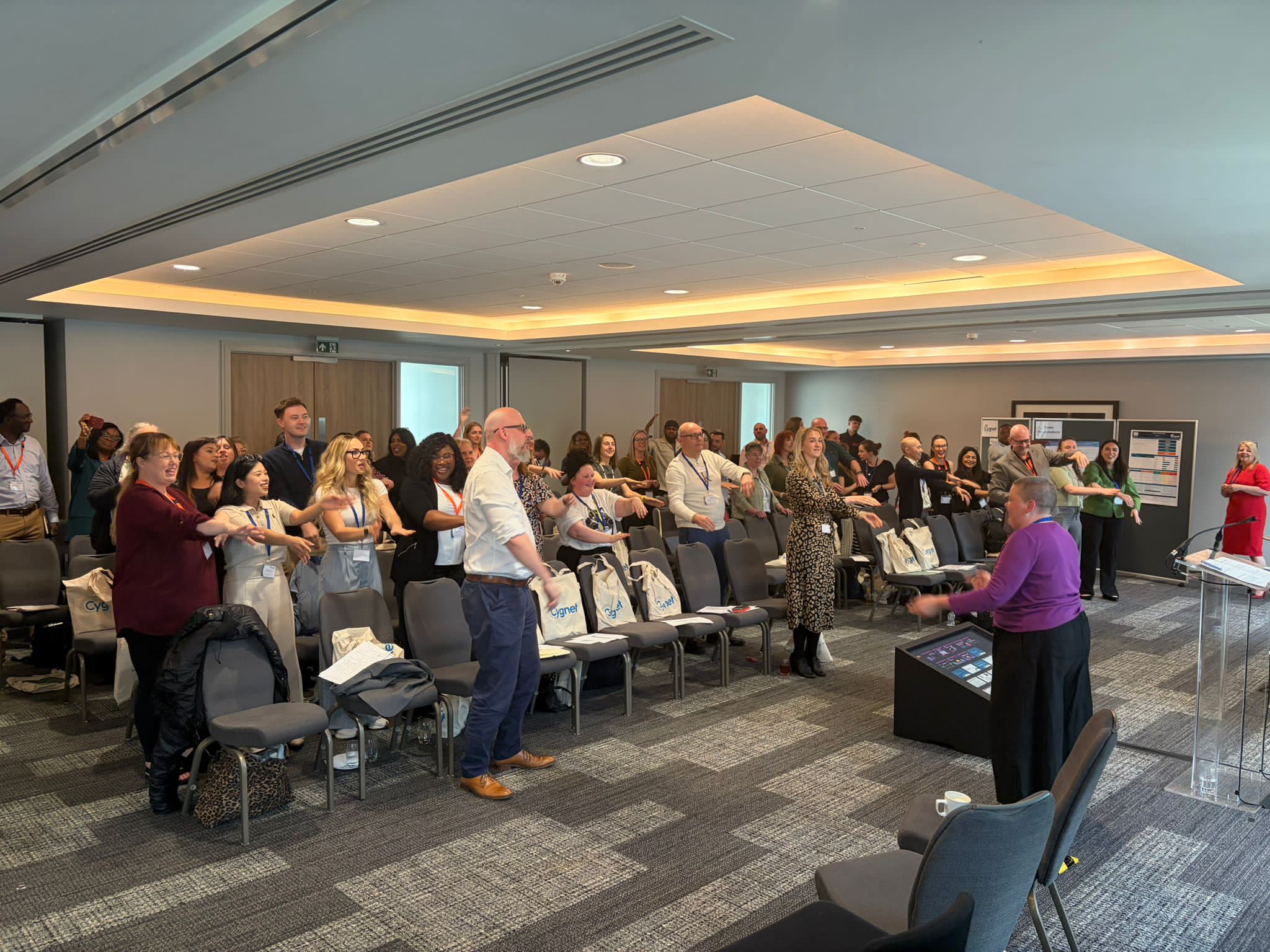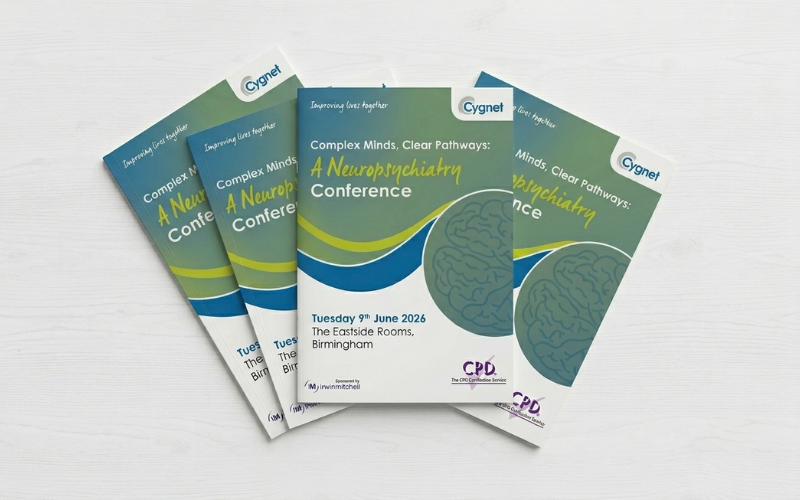
The day focused on presenting the latest evidence regarding Neuropsychiatric Rehabilitation, a lesser-known but critical area of Neurological Rehabilitation that explores the complex interface between mental and physical ill-health post-brain injury.
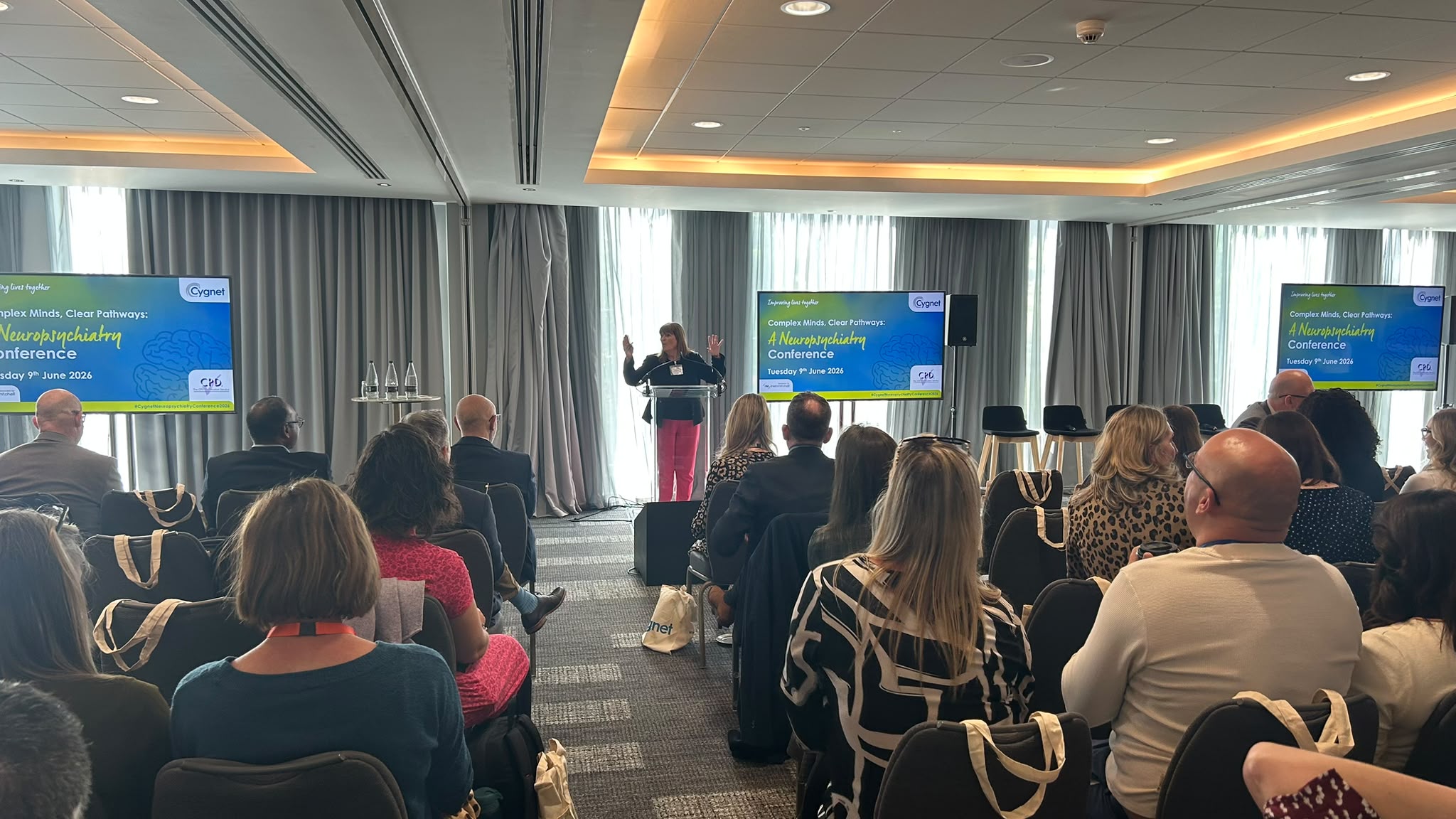
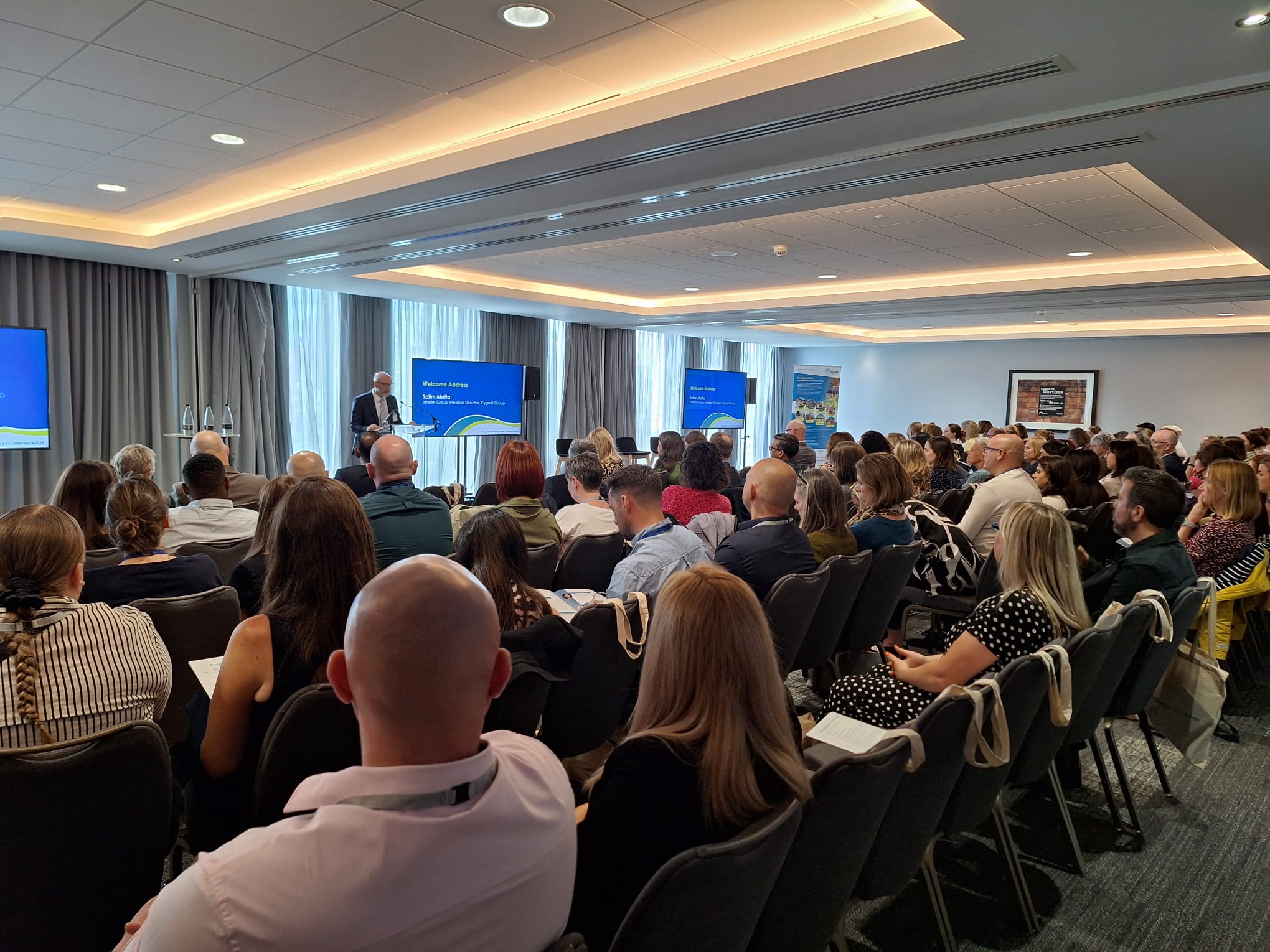
The conference was hosted by broadcaster and journalist Elly Fiorentini from the BBC, who opened the day alongside Dr Salim Matta, Interim Group Medical Director for Cygnet Group, who delivered the welcome address.
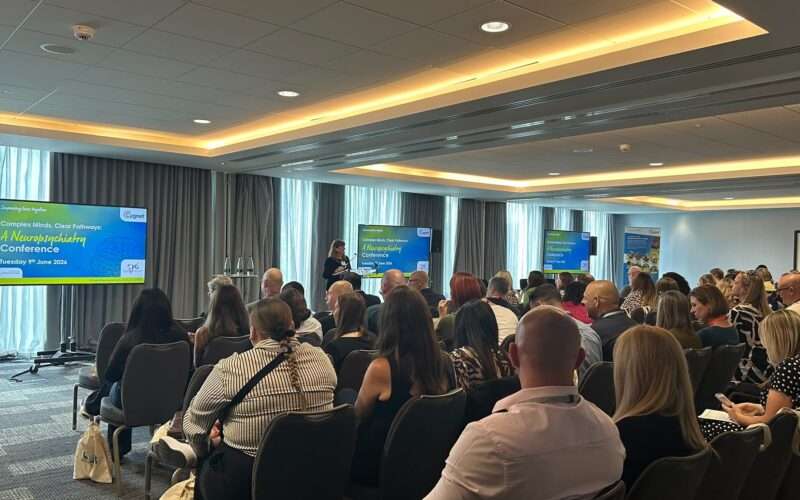
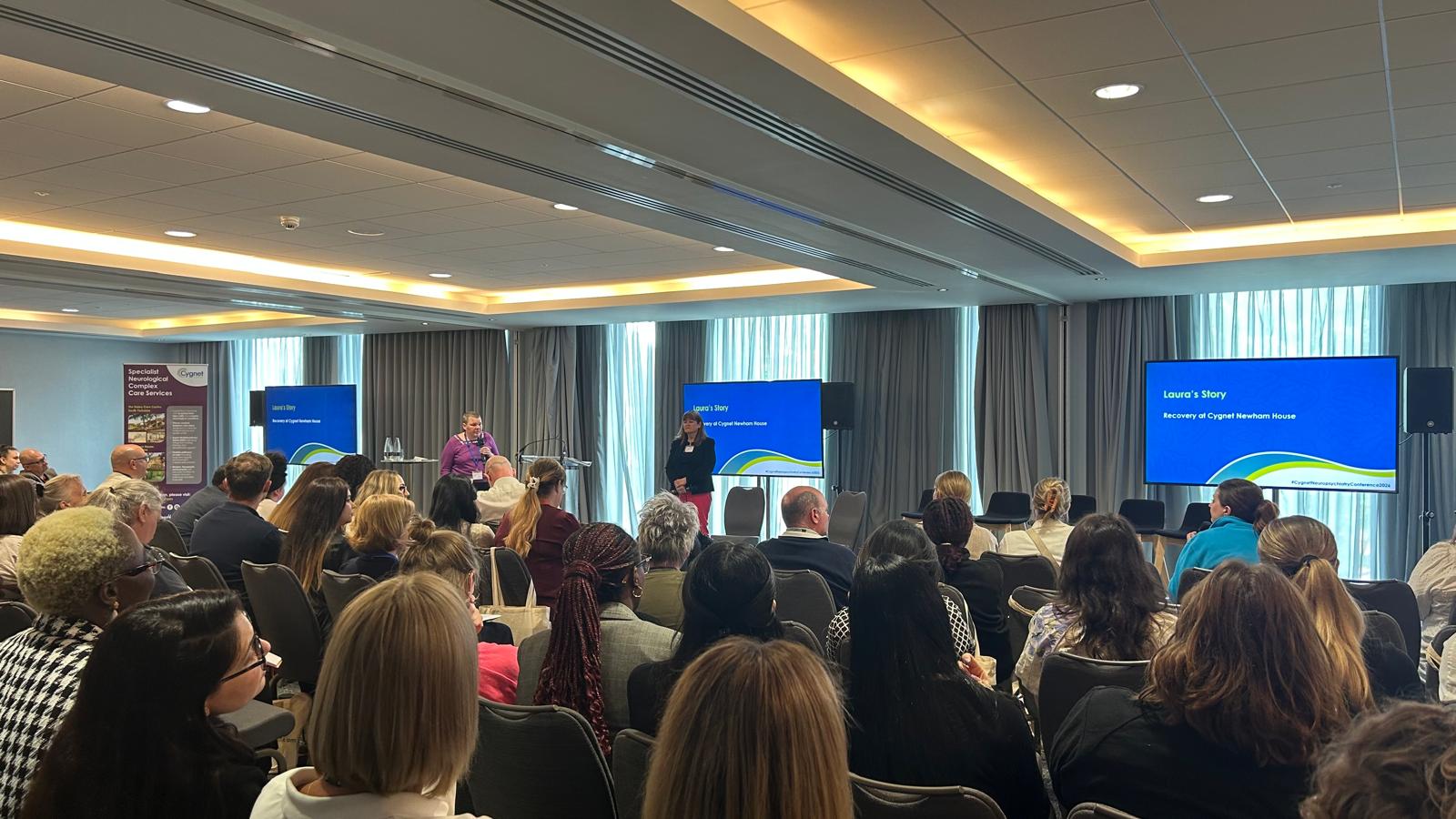
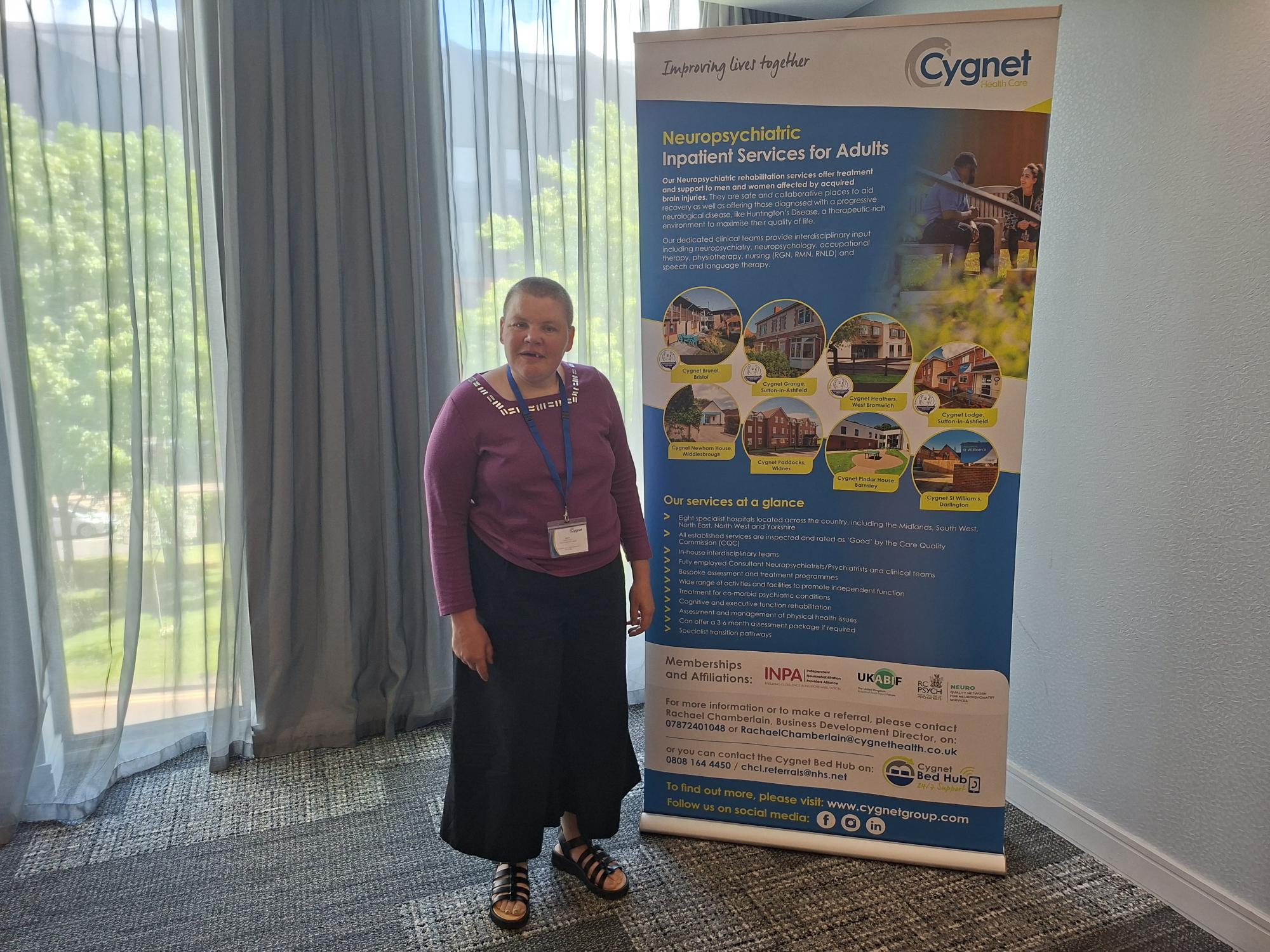
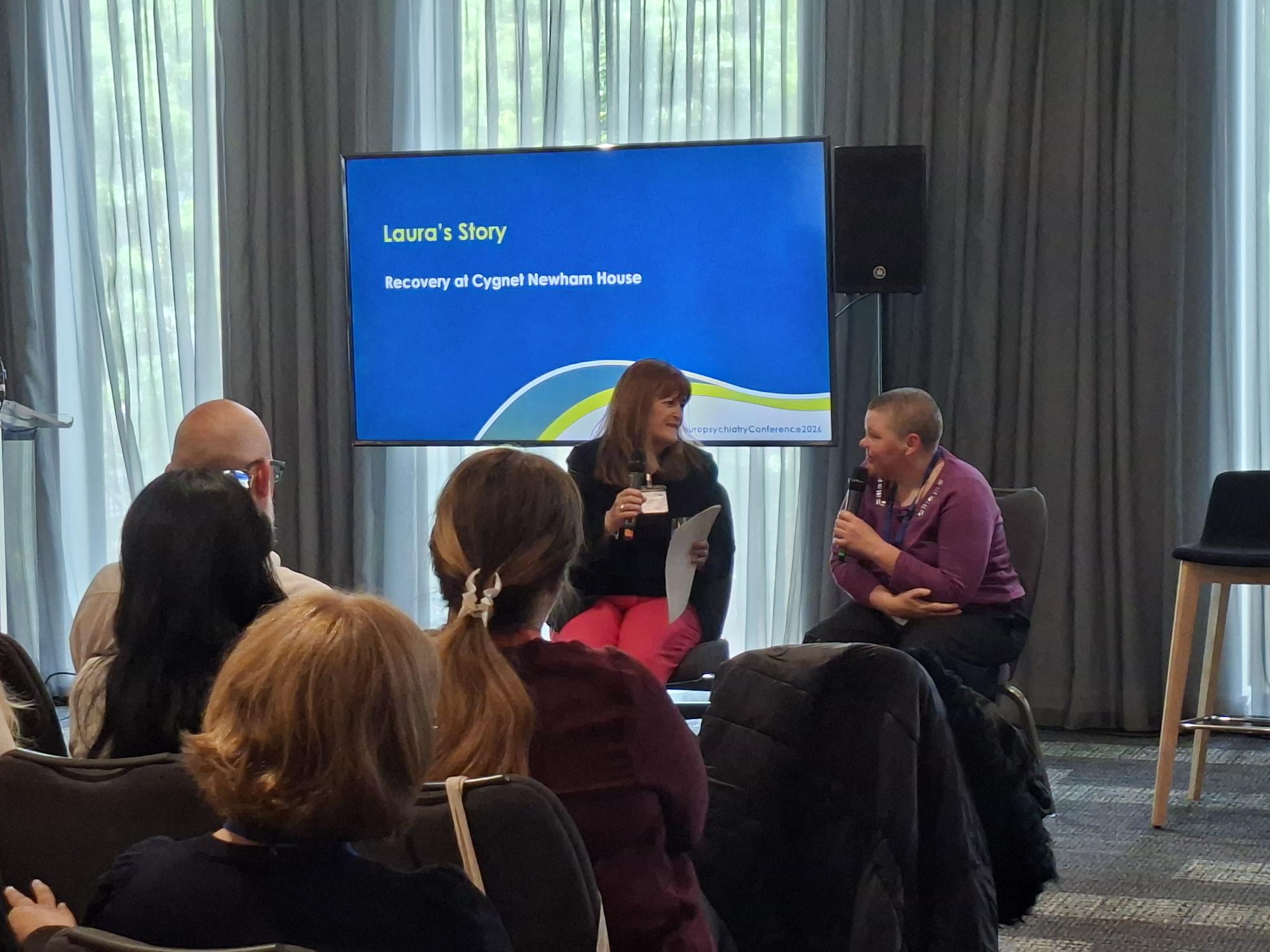
A highlight of this year’s Neuropsychiatric Rehabilitation Conference was a deeply moving, live Q&A session with Laura, a person we support at Cygnet Newham House. Speaking directly to an audience of healthcare professionals, Laura shared her remarkable rehabilitation journey, bringing a powerful, real-world perspective to the event.
Laura, who describes herself as a “social butterfly,” captivated attendees with her infectious positivity, honesty, and humour as she discussed what life-changing impact specialist person-centred neuropsychiatric rehabilitation pathways have had on her.
When asked why she feels Cygnet Newham House is the best place she has ever been, Laura didn’t hesitate: “Everything about it is just great. The staff, the other residents. I get out and about so much, at least four times a week now. I’d rate it 11 out of 10.”
Her rehabilitation program includes structured physical therapy, though she admits she keeps things straightforward: “I do like going in the gym, mostly I use the bike or walking. I don’t use some of the other mumbo jumbo stuff! Hey, at least I’m honest!”
A crucial turning point in Laura’s journey has been her community volunteering work, which has given her a renewed sense of purpose. “Definitely my work volunteering as a dog walker with Maxi’s Mates stands out as being very helpful,” she shared. “I now take a couple of dogs out, just up and down the lane, and they love it. One dog wasn’t too interested in me the first time, but on the second time he absolutely loved me. The owner said he’s never usually that excited to see people!”
Laura is now preparing for the next chapter of her life. Looking to the future, she said, “I’m feeling very positive. It will be a big change, but I am ready.”
This journey illustrates the ultimate goal of specialist, person-centred neurorehabilitation pathways: rebuilding independence and helping individuals transition back into the community. You can watch Laura’s video here.
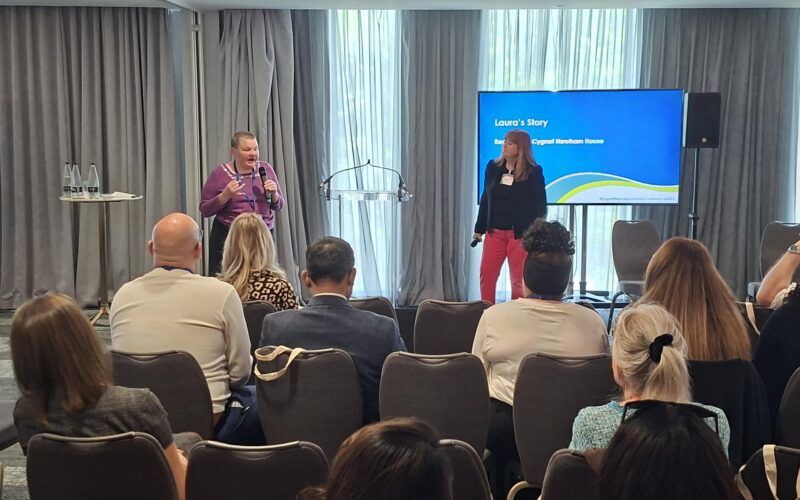
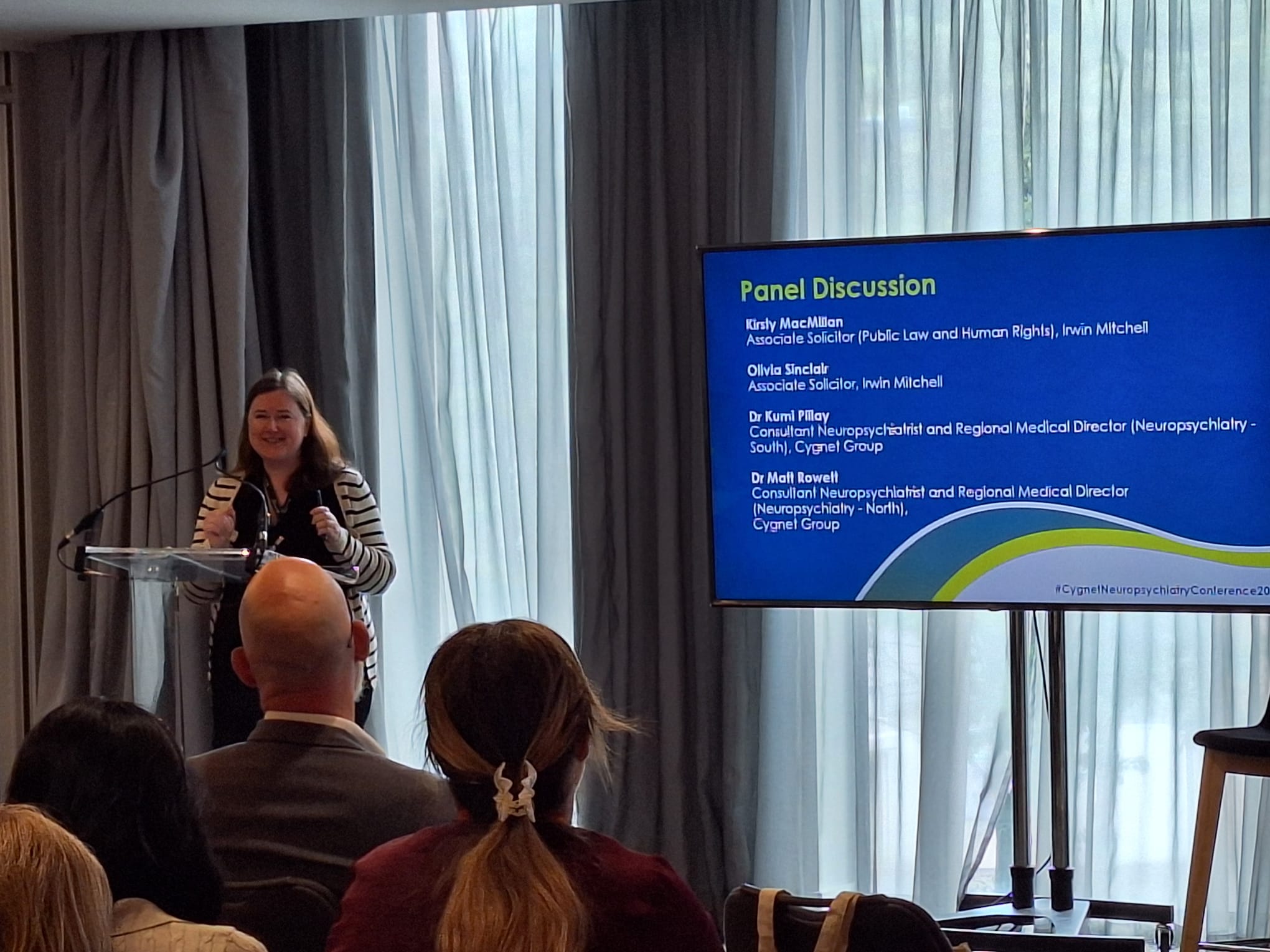
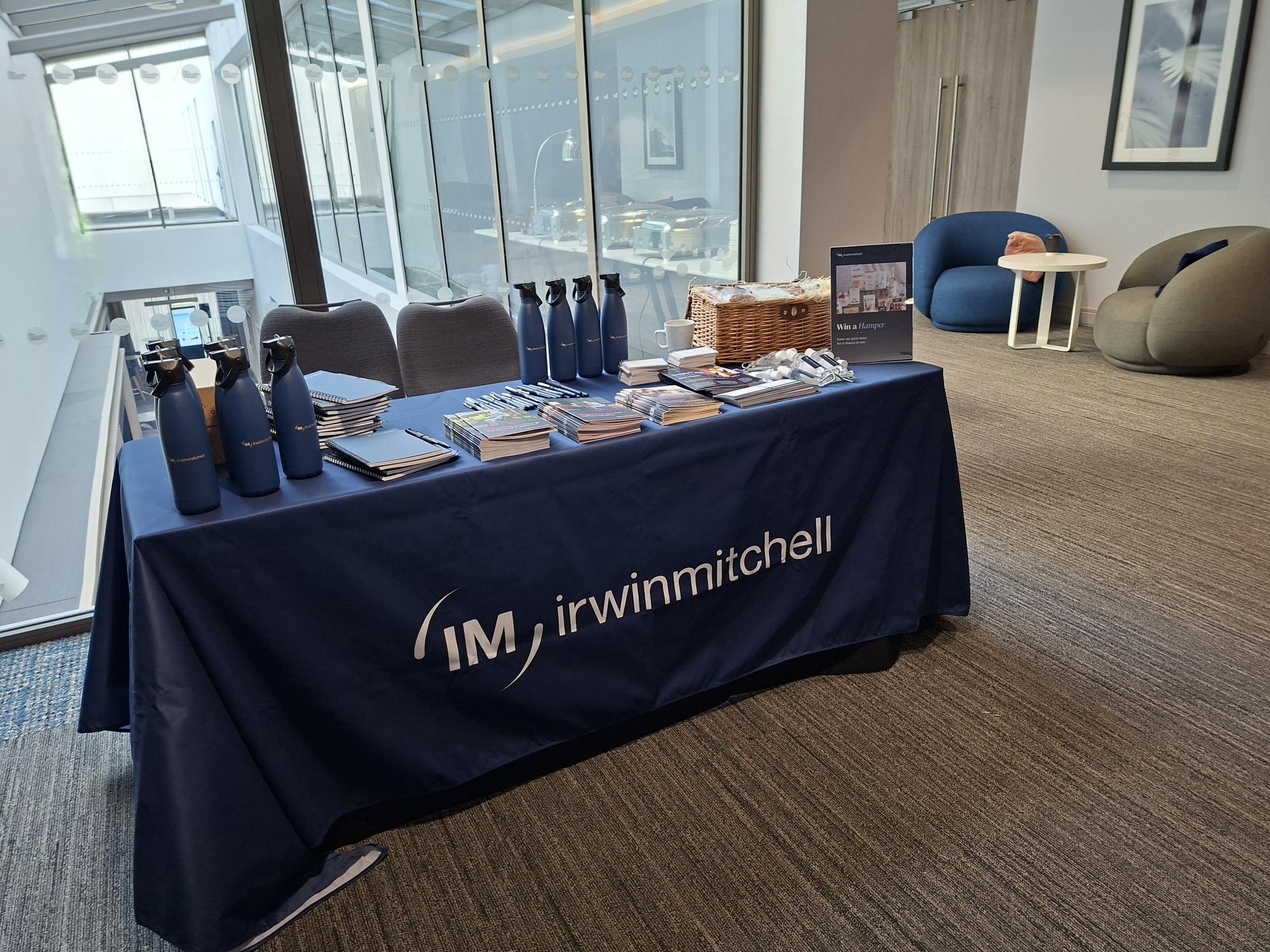
The rest of the conference began with an opening sponsor address from our event partners at Irwin Mitchell, followed by an insightful Q&A panel discussion exploring the implications of the latest Supreme Court Ruling around Deprivation of Liberty Safeguards (DoLs). The expert panel featured:
- Kirsty MacMillan (Associate Solicitor – Public Law, Irwin Mitchell)
- Olivia Sinclair (Associate Solicitor-Medical Negligence, Irwin Mitchell)
- Dr Matt Rowett (Consultant Neuropsychiatrist and Regional Medical Director (Neuropsychiatry – North), Cygnet Group),
- Dr Kumi Pillay (Consultant Neuropsychiatrist and Regional Medical Director (Neuropsychiatry – South), Cygnet Group)
The group delved into how the shifting legal landscape impacts safeguarding, practice, and the rights of service users.
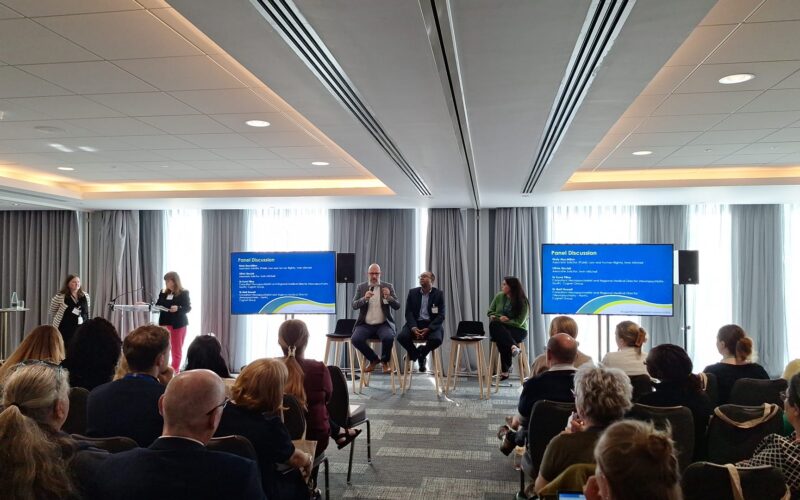
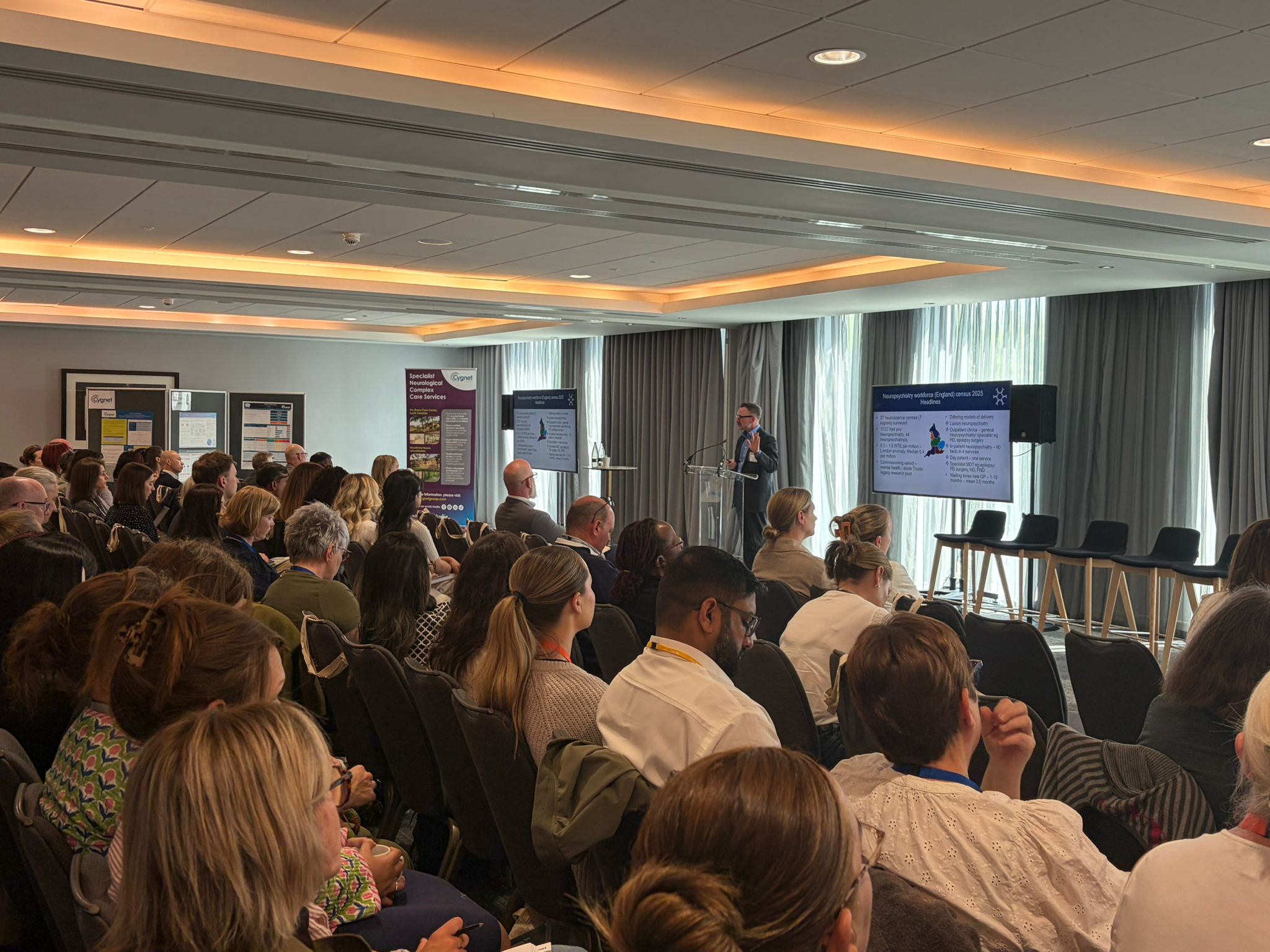
Next, Dr Mike Dilley, Consultant Neuropsychiatrist at King’s College Hospital NHS Foundation Trust, discussed how national care integration initiatives have shifted clinical and organisational complexities, arguing that multidisciplinary integration and collaborative leadership are key to making this inherent complexity manageable. He also discussed The Quality Network for Neuropsychiatry Services (QN-Neuro), which launched in 2024, to promote quality improvement within and between neuro services.
The lunch break provided delegates with an excellent opportunity to view a range of impressive poster presentations submitted by our multidisciplinary teams, network with peers, and purchase raffle tickets. A fantastic £350 was raised, with all proceeds from the event going to support the United Kingdom Acquired Brain Injury Forum (UKABIF).
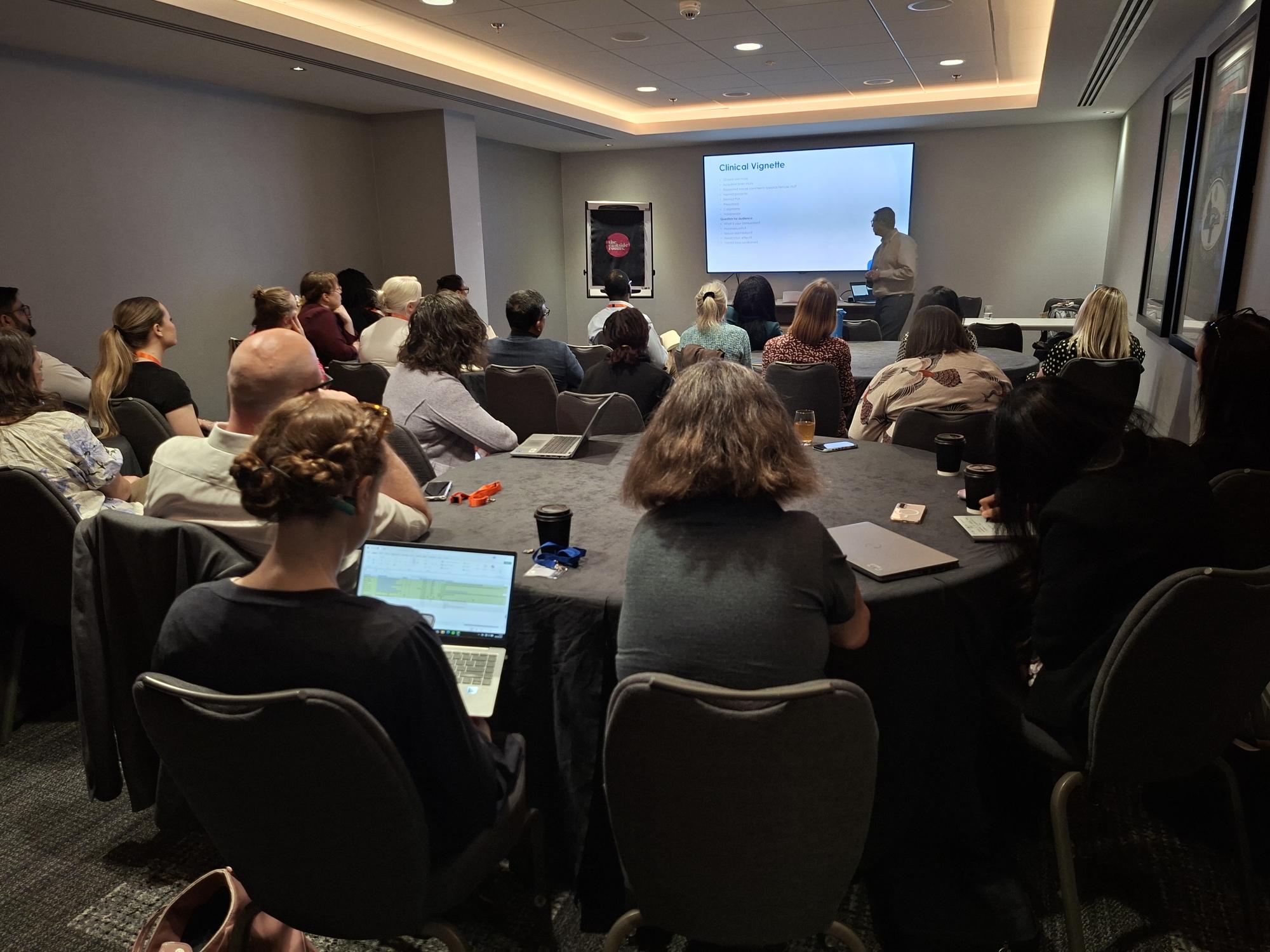
The first part of the afternoon saw the conference split into three concurrent, highly interactive Breakout Sessions:
-
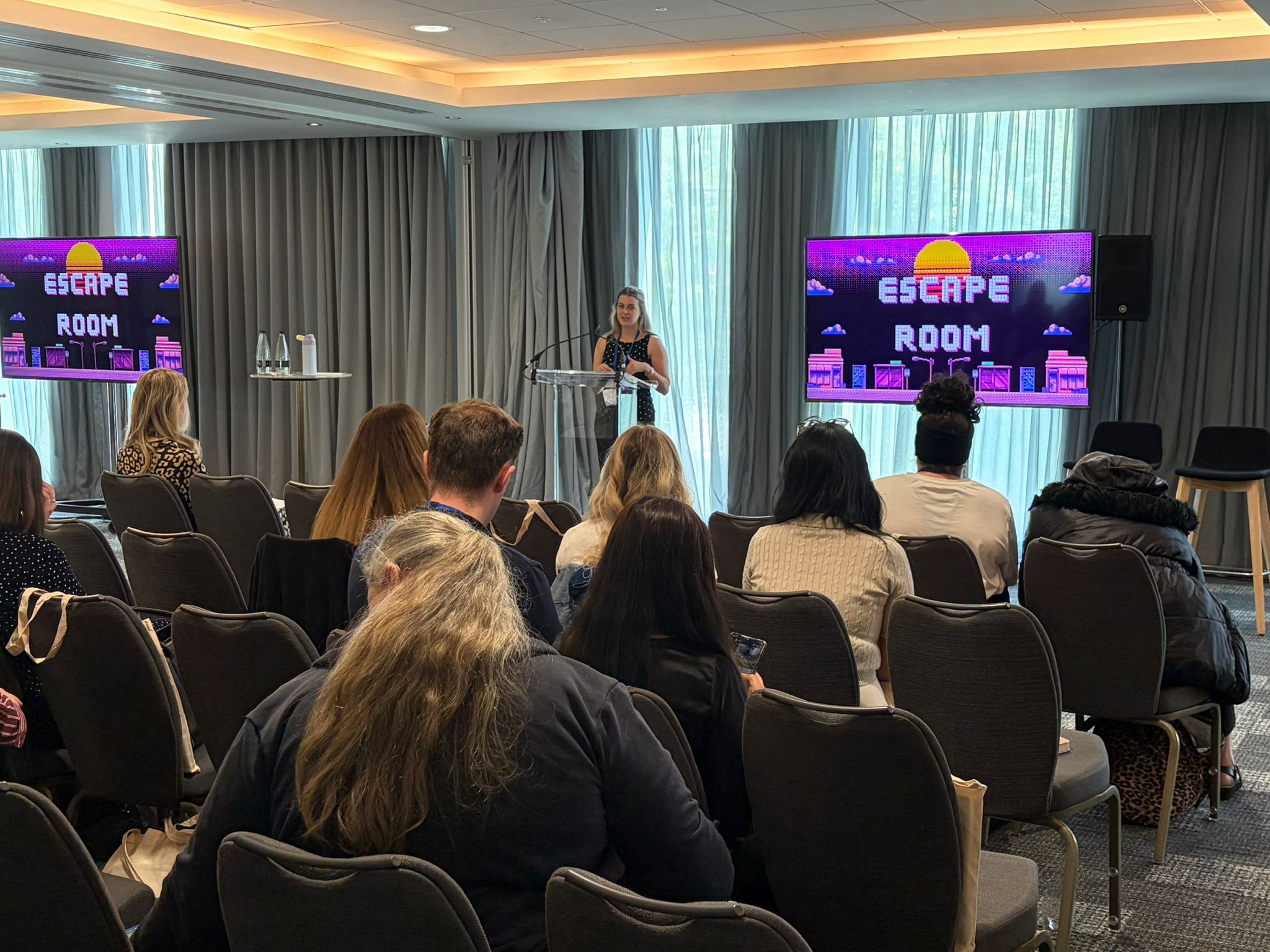
Session A: Georgia Nelson (Occupational Therapist, Cygnet St William’s) shared how creative methods, like escape rooms and treasure hunts, can be used to assess cognitive and functional abilities in rehabilitation.
-
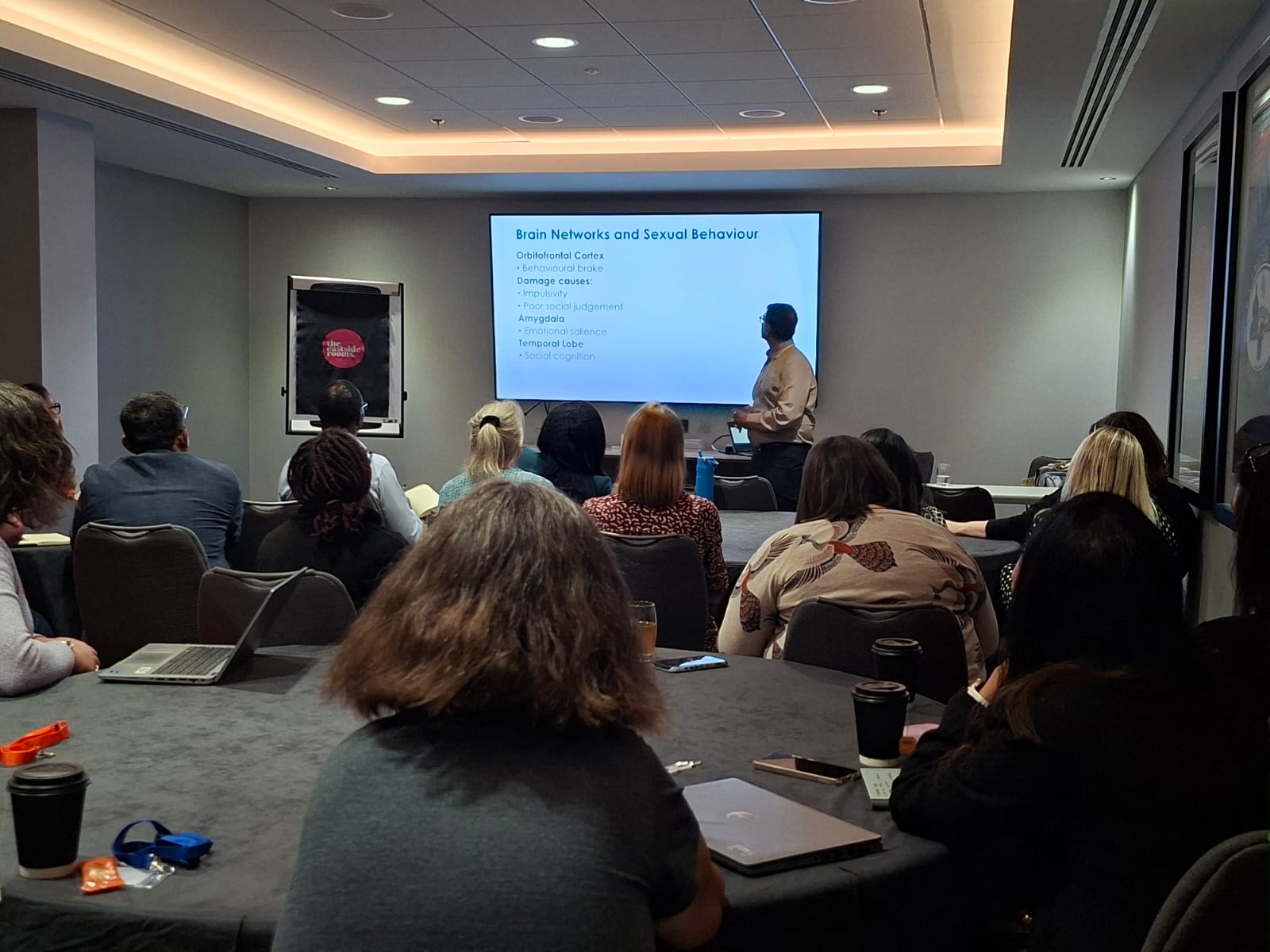
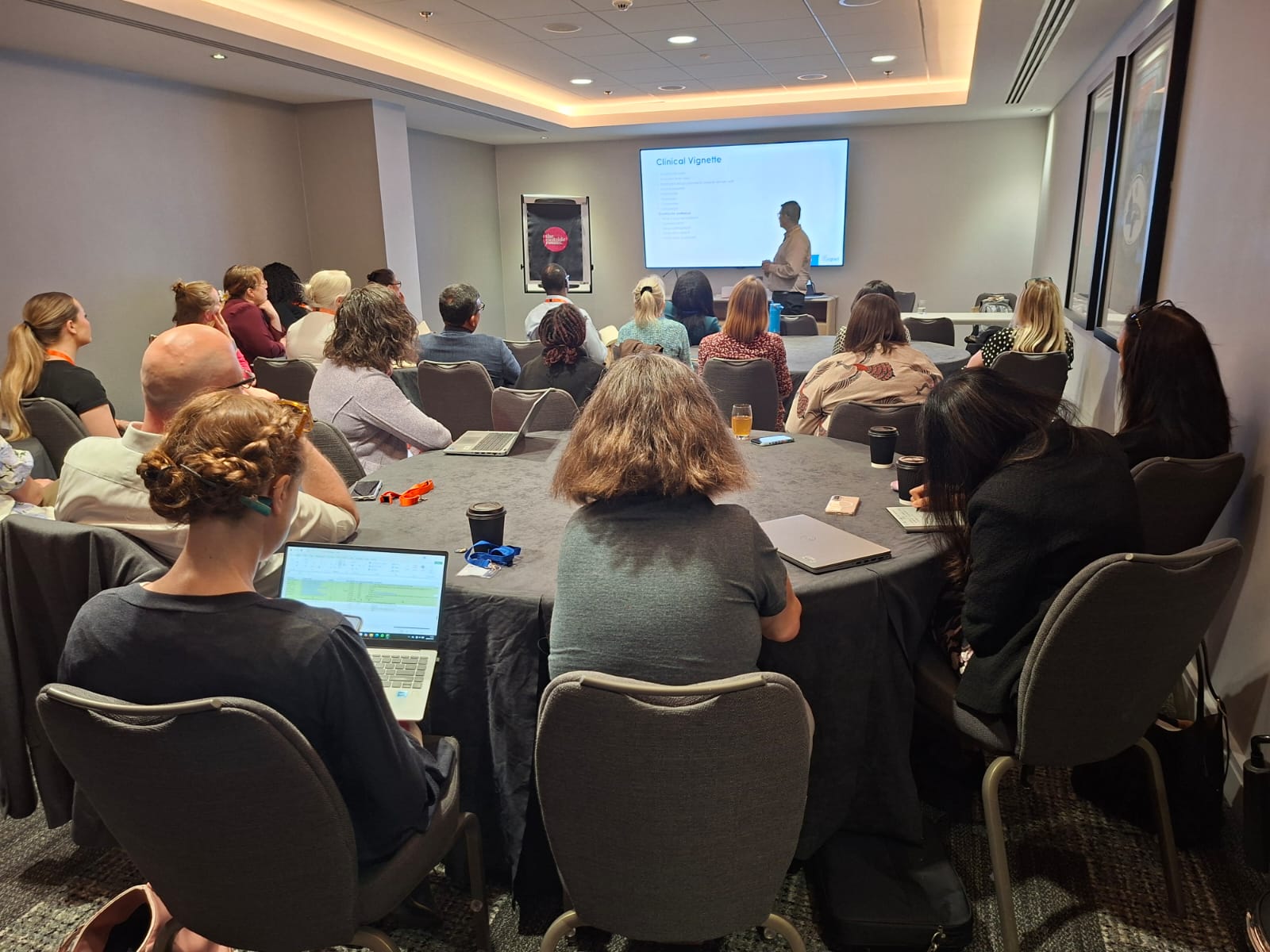
Session B: Dr Khalil Memon (Consultant Psychiatrist, Cygnet St William’s) reviewed the neurobiological basis and practical management of sexual dysfunction and disinhibition in neuropsychiatric populations.
-
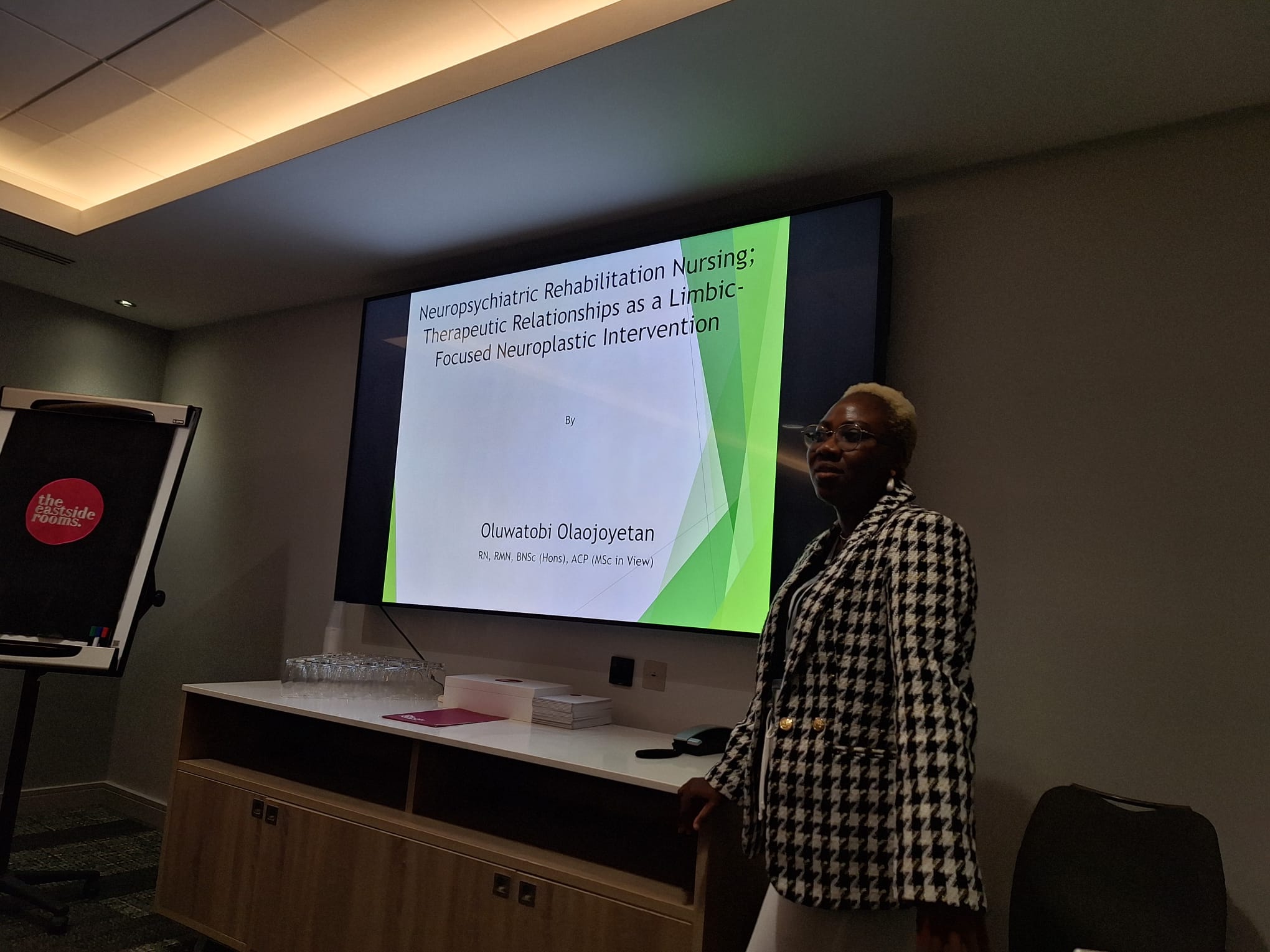
Session C: Oluwatobi (Tobi) Olaojoyetan (Ward Manager, Cygnet Paddocks) presented on reframing therapeutic nursing relationships as a limbic-focused neuroplastic intervention to drive neural recovery.
Bringing the delegation back together, Professor Andrea E. Cavanna, Consultant in Behavioural Neurology & Associate Professor, National Centre for Mental Health and University of Birmingham, delivered a fascinating talk detailing the intersection of neurology and psychiatry in Tourette Syndrome and other tic disorders.
To close the day, Dr Vasileios Chortis, Clinical Associate Professor of Endocrinology, University of Birmingham, provided a vital overview of the endocrine complications that frequently develop in the aftermath of a brain injury and affect patient recovery.
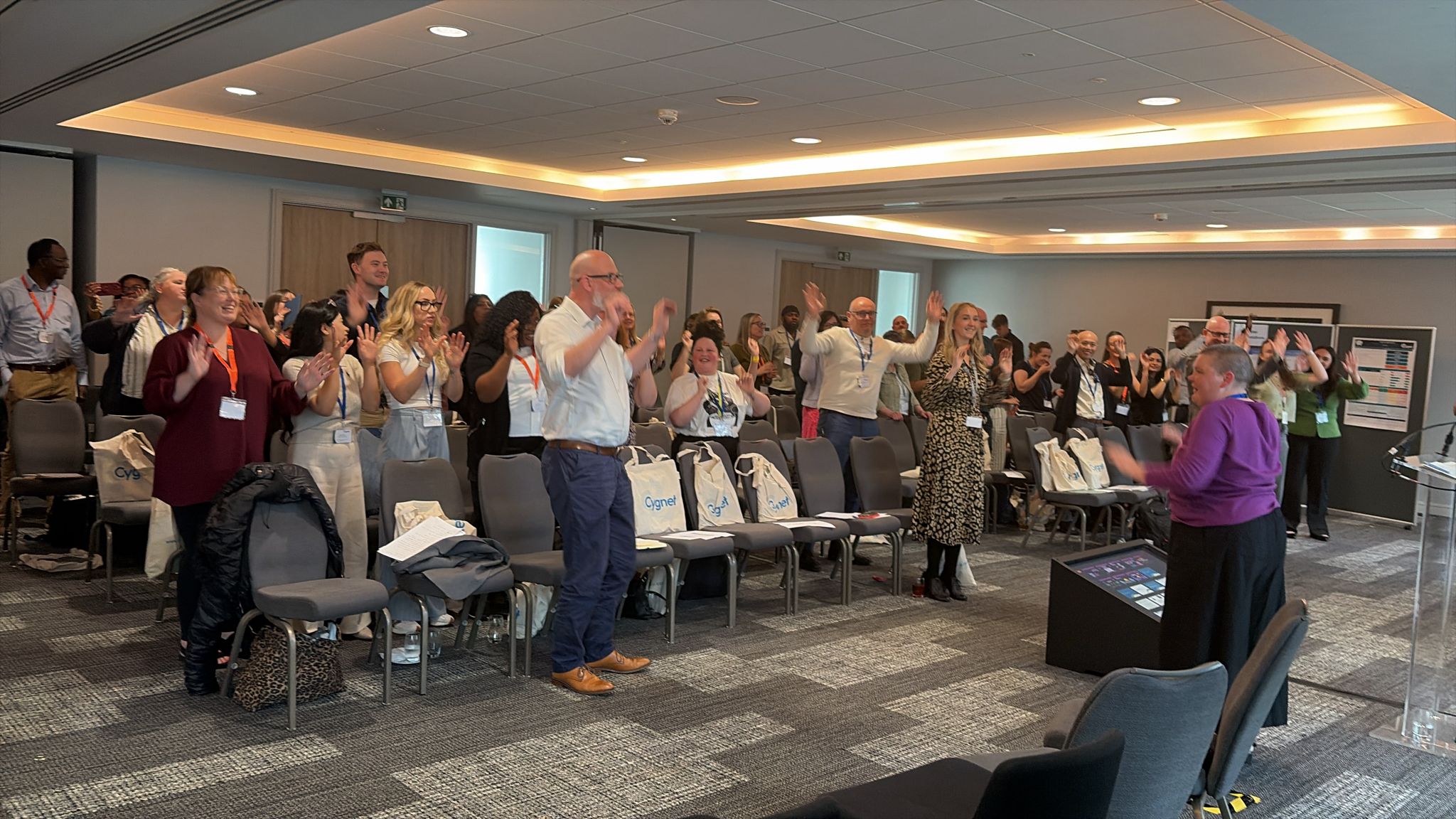
Rachael Chamberlain, Cygnet’s Neurological Business Development Director, said: “What an amazing event to be part of; the energy, expertise and passion in the room made this Neuropsychiatric Rehabilitation conference a great experience for all those attending. The real success lies in what happens next; the ideas taken forward, the partnerships formed and the lives improved. For a group dedicated to understanding the brain; we certainly gave ours plenty to think about!”
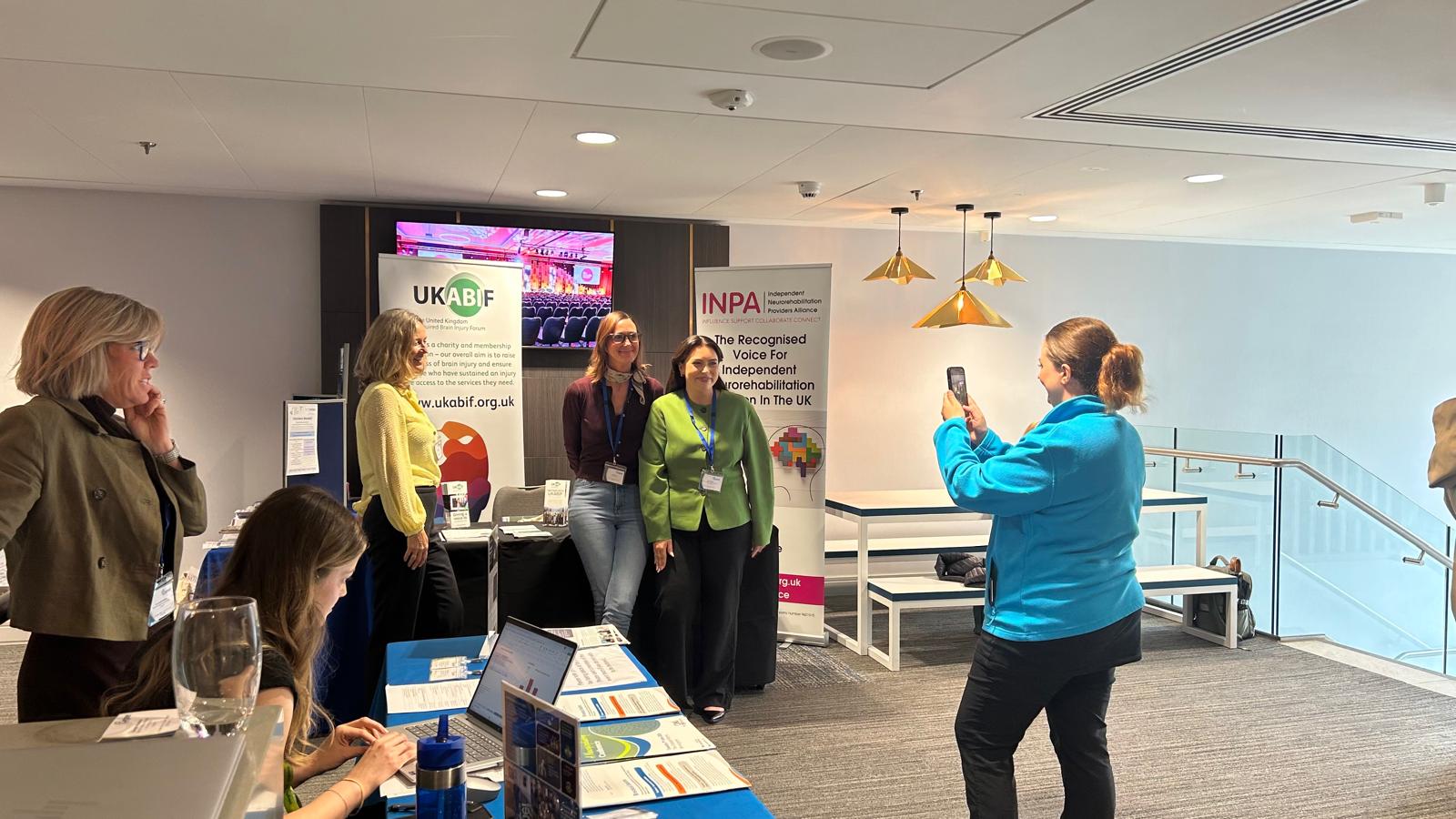
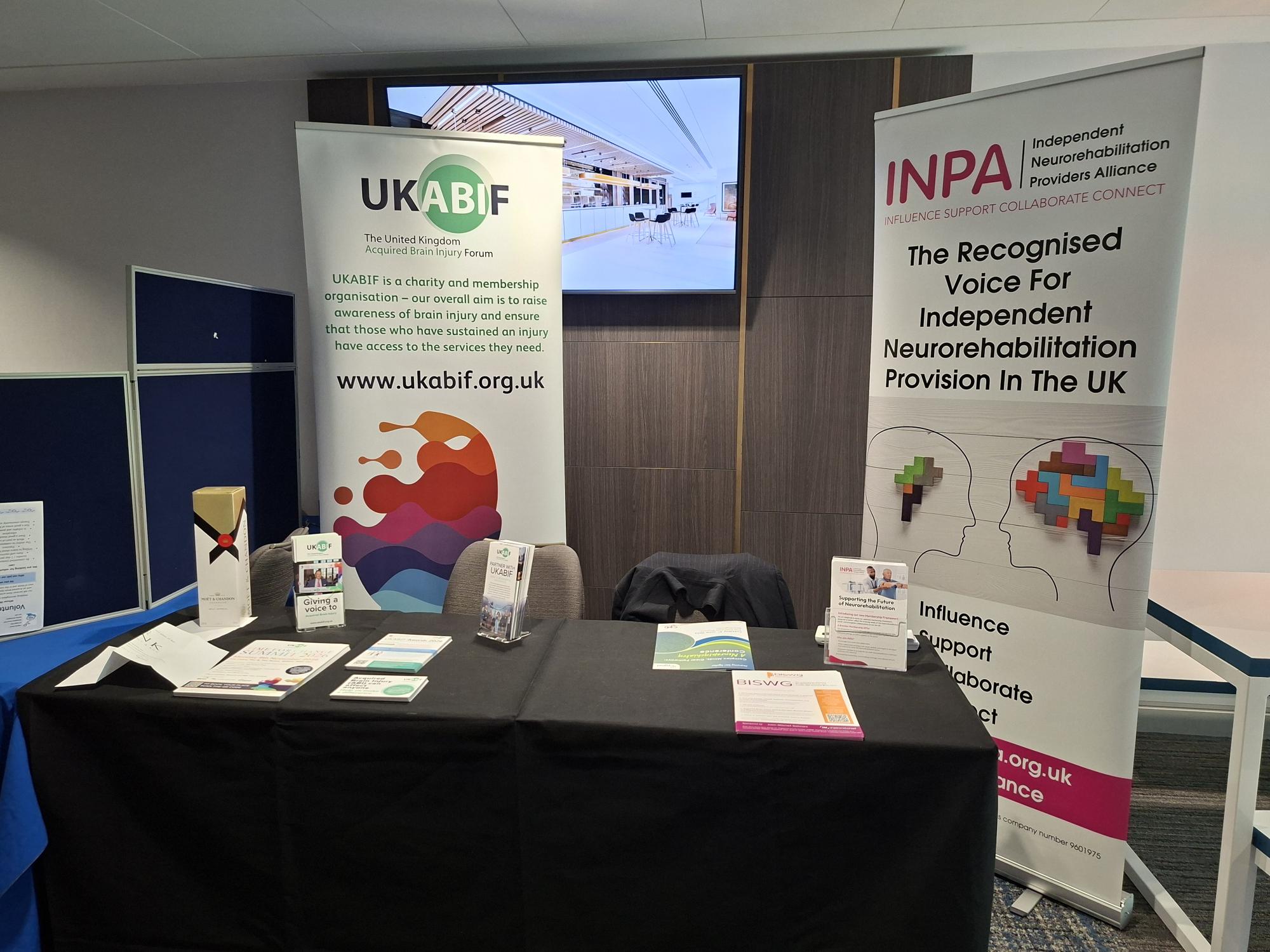
An event of this scale is only possible through collaboration. We would like to extend our gratitude to our lead sponsor, Irwin Mitchell, for their generous support. We would also like to thank all our exhibitors and supporting charities, including UKABIF, Headway Birmingham & Solihull, and the Independent Neurorehabilitation Providers Alliance (INPA), who helped make the day so dynamic and informative. And to all the delegates, for attending and engaging in so many different perspectives on Neuropsychiatric Rehabilitation.