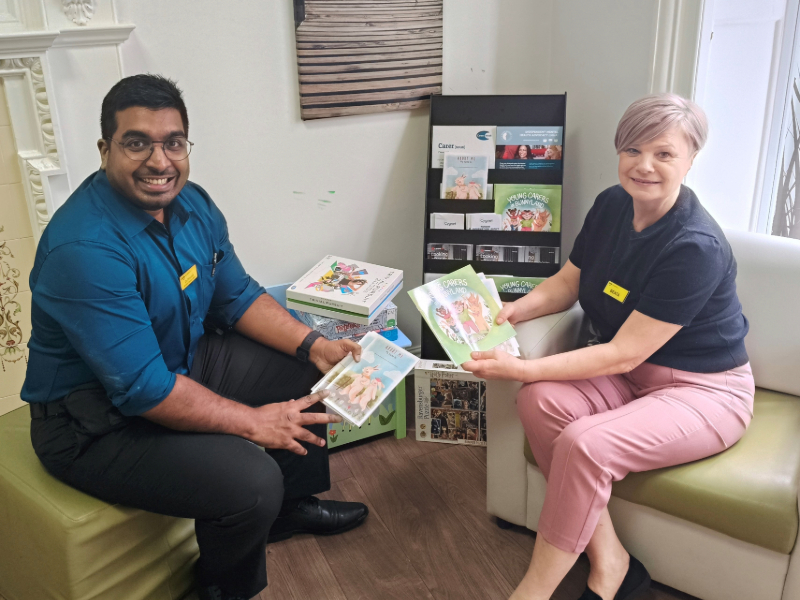
In light of Young Carers Action Day on 11th March, we wanted to take a moment to further support and raise awareness of young carers.
What are young carers?
Young carers are children and young people under 18 who provide ongoing care and support to a family member living with a physical disability, long-term illness, mental health difficulties, or substance misuse. Despite the significant responsibilities they carry, many young carers remain unseen by services. For health and social care professionals, recognising them early is not optional, it is fundamental to good practice.
Most young carers do not self-identify. Caring is often viewed as a normal part of family life, and children may be reluctant to speak about their role due to fear, stigma, loyalty to their family, or anxiety about outside intervention. As a result, practitioners may concentrate appropriately on the needs of the adult while unintentionally overlooking the impact on the child.
What are the barriers to identifying as a carer?
Some barriers include:
- Cultural beliefs and family expectations – in some communities, caring for relatives is regarded as a private family responsibility and seeking support may feel shameful or risky
- Language barriers
- Stigma around disability or mental illness
- Fear of statutory services – such as social services, housing, and immigration
Professionals must therefore adopt culturally sensitive, family-centred approaches, avoiding assumptions, asking respectful questions, and recognising that caring roles may be hidden within multigenerational or closed households.
Why early identification matters
Early identification ensures young carers are recognised before their responsibilities become excessive or harmful. Without appropriate support, they are at increased risk of poorer physical and mental health, lower educational attainment, and reduced employment opportunities in adulthood. Timely recognition can help break this pattern by providing access to the right support at the right time, improving long-term outcomes.
How to identify young carers early
Identification should be embedded in everyday practice. Consider:
- Routinely asking about family structure
- Listening carefully to children’s experiences
- Considering the wider impact of illness or disability on the household
- Including children’s wellbeing in care planning
- Offering family-based interventions
- Signposting to specialist young carer services are practical steps that reduce anxiety, guilt, and burnout.
Early identification is a cornerstone of safeguarding, prevention, and person-centred care. By widening our focus from the individual to the whole family system, professionals can ensure young carers are seen, heard, and supported – protecting not only their present wellbeing but their future life chances.