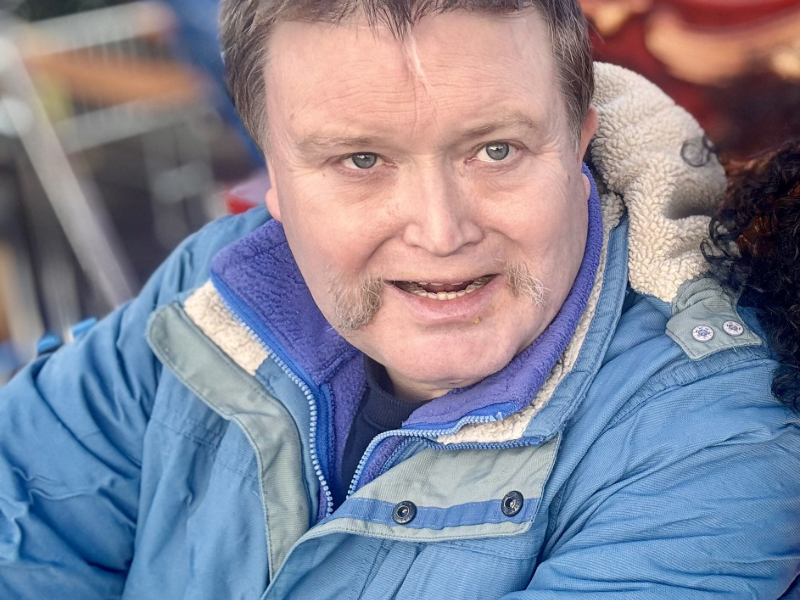
In this Q&A, Eddie speaks openly about his experiences of living with autism, from life before his diagnosis, to the challenges he faces today, and the things that matter most to him.
By sharing his perspective in his own words, Eddie helps us better understand what autism can feel like day to day, while also challenging some of the common misconceptions.
What was life like before you knew what autism was?
Up until 1984, life was good. After that, things started going downhill as I began to worry more about things. When I was younger, I didn’t worry about small things like fidgeting, even if I sometimes felt like something was “wrong” with me.
What led to you receiving a diagnosis?
I was diagnosed in 1996 after going to an assessment centre. Both my parents and teachers knew that something wasn’t right, which led to me being assessed.
How did it feel to receive the diagnosis?
I felt a bit nervous but also relieved. It helped me understand the little things I was doing or feeling, and I could finally just be “me”. It made me feel like there was a reason for the challenges I had faced and helped me understand myself better.
What is it like at Cedars? What is the best thing about it?
It’s nice because the patients aren’t scary, and there are lots of activities going on. I can send letters to my friends. The staff are understanding and will explain things multiple times when I get anxious. I have regular sessions with the Occupational Therapist because I struggle with sensory overload, and the sensory room here is very big and nice. I also see the psychologist every week to talk about my anxieties and how to help myself when I get angry.
Do you feel differently about yourself, and has it changed how other people treat or respond to you?
I don’t feel very different about myself since receiving the diagnosis. I am still “me”. The diagnosis just helped explain some of the ways I was feeling. People haven’t really changed how they treat me, and my relationships have stayed the same.
How does living with autism affect you?
Living with autism can be very difficult for me. Some things that other people find easy can feel overwhelming or stressful. I often struggle with routines and worries, I worry about every little thing. Even while answering these questions, I kept checking the time so I wouldn’t miss going to the shop. I also believe I may have OCD, although it hasn’t been formally diagnosed, and the obsessive thoughts and need to repeat things can make life very challenging.
Do you think people understand autism, or are there still misconceptions?
No, I don’t think people have much understanding of autism. Some people think we have speech difficulties, no communication skills, or don’t say much, but autism is different for everyone. I am the opposite, I like talking and writing letters.
People also sometimes believe we are not smart or can’t use our brains properly, but that isn’t true. For example, I am good with dates. If someone tells me their date of birth, I can often work out what day it falls on.
What are the challenges and benefits of autism?
Some of the challenges I experience include sensitivity to sounds and textures. I find it difficult to interpret verbal and non-verbal communication. I can have repetitive behaviours and complicated or overwhelming thoughts. I struggle with planning and organisation, and I need to have a watch on me at all times. I can have outbursts and sometimes find it hard to regulate my emotions. I also struggle to concentrate on tasks, which can be different from other people with autism.
In terms of strengths, I have strong interests in things like music, dates, cars, trains and churches. I have a very high attention to detail and notice things that others might miss. If something feels wrong or bothers me, I tend to say it honestly. I am a very loyal and honest person, with good friends who I care about a lot, even if we sometimes have small arguments. I also have a very good memory and can remember things from when I was a child.