Across the country, more young people are requiring specialist and intensive mental health care. The evolving complexity of mental health needs in young people requires equally innovative care models. Recognising that traditional pathways, where young people were often required to transfer between a Psychiatric Intensive Care Unit (PICU) and a Low Secure Unit (LSU), could introduce challenges to continuity of care, the team at Cygnet Hospital Sheffield pioneered an enhanced approach.
“What excites me most is that this transformation began by listening to young people. Their feedback helped us reshape a system that wasn’t working for them.”
In partnership with the NHS South Yorkshire and Bassetlaw Provider Collaborative (SYBPC), we have now introduced a new “Adolescent Intensive Support” model. This blended approach allows young people to access both short-term and longer-term intensive care on a single ward, with one multidisciplinary team (MDT) supporting them throughout.
The model is now also being delivered on Mulberry Ward at Cygnet Bury Forestwood, bringing responsive, needs-led care closer to home for more families.
Understanding the Gaps in Traditional Pathways
Before this change, a young person would typically be assessed on one unit, then transferred to another once their needs became clearer. This meant repeatedly sharing their life story, adjusting to new staff and peers, and restarting therapeutic relationships from scratch.
Young people told us how unsettling, and in some cases traumatic, this was. Each move could disrupt trust, trigger setbacks, and sometimes escalate risk. Their feedback made us reflect critically on whether our system was genuinely centred around their needs, or whether it prioritised the structure of services instead.
It became clear that we needed a more flexible, young person-centred approach that reduced transitions and provided uninterrupted therapeutic continuity, designed for stability and positive outcomes.
Why Partnership Was Essential
Although we believed strongly in the clinical and therapeutic benefits of the new model, implementing it required close collaboration with SYBPC. Our Hospital Director, Tom Griffiths, worked closely with their leadership while we developed the clinical framework for the service.
The Provider Collaborative was highly supportive. Their willingness to commission the beds under this innovative approach enabled us to launch the model as a pilot, with the required regulatory assurance in place. Their partnership has been key to making meaningful change possible.
What Makes the Adolescent Intensive Support Model Different
Typically across health care, PICU and LSU care operated on separate wards, with distinct structures and processes. Young people often had to undergo multiple assessments and transitions before receiving the right level of support.
The new model removes those barriers by providing:
- Short- and long-term intensive treatment on one ward
- A single, consistent MDT throughout the young person’s stay
- Flexible levels of intervention based on clinical need, not bed type
This approach means that therapeutic relationships remain stable, care plans are cohesive, and treatment intensity can be adjusted quickly without disrupting the young person’s environment.
What “Blended Care” Means in Practice
Blended care ensures that a young person’s journey is seamless. Instead of moving between PICU and LSU units, they remain in one care setting while staff adapt the level of support they receive.
This results in:
- Quicker access to the right care, without repeated assessments
- Strengthened therapeutic relationships, due to staying with one MDT
- Reduced anxiety and disruption, as young people no longer need to move wards
- More effective planning, based on a unified understanding of the young person’s needs
Ultimately, the model aligns services around the young person’s therapeutic journey, putting their needs at the heart of care giving/planning.
Positive Outcomes So Far
The impact of the new model has been clear:
- Young people no longer face delays from multiple PICU/LSU assessments.
- They remain supported by the same MDT even when their risk fluctuates.
- More young people can be treated closer to home, reducing out-of-area placements.
- Staff report higher satisfaction as they see quicker progress and smoother transitions to community care.
One of the most encouraging developments has been the effect on young people with longer-term needs. Previously, some lost hope when they saw only slow progress around them. . Many of our long-pathway patients have successfully transitioned back to the community since the new model began.
Challenges and Learnings
We were initially mindful that mixing pathways might have unintended consequences. But the insights from young people and experts by experience guided us throughout. Their voices gave us the confidence to persevere.
We have since seen that blending pathways has positive, not negative, effects, improving hope, motivation and engagement.
Advice for Other Providers
For providers considering similar models, my advice is simple: listen closely to the young people and families you serve. If their experiences reflect the challenges we heard, then a blended intensive support model is worth exploring. It improves outcomes, enhances staff morale and creates a more individualised, responsive pathway.
Looking Ahead: The Future of CAMHS Intensive Care
Across the UK, demand for specialist and intensive CAMHS care is increasing. The Adolescent Intensive Support model offers a way to meet these needs in a flexible, compassionate and effective way.
By reducing transitions, strengthening therapeutic continuity and focusing care around clinical need, we can ensure young people receive the right support at the right time, and stay closer to the people and places that matter.
What excites me most is that this transformation began by listening to young people. Their feedback helped us reshape a system that wasn’t working for them. Coproduction has always been essential, and this model shows what can be achieved when we adapt services based on lived experience.
I am optimistic about the future and grateful to the young people whose insights have helped us deliver more effective, hopeful and person-centred care.
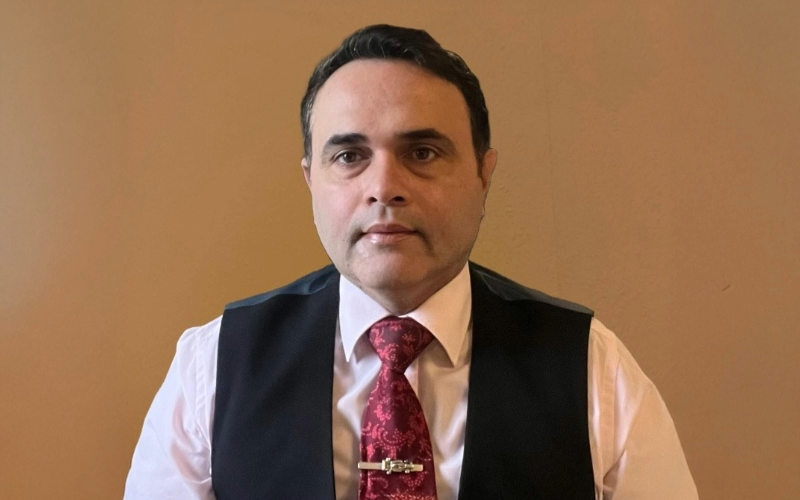
This blog has been produced by Dr Sidhartha Hakim – Medical Director at Cygnet Hospital Sheffield
Dr Hakim is an experienced Consultant Child and Adolescent Psychiatrist who has provided specialist inpatient care to young people since 2006.