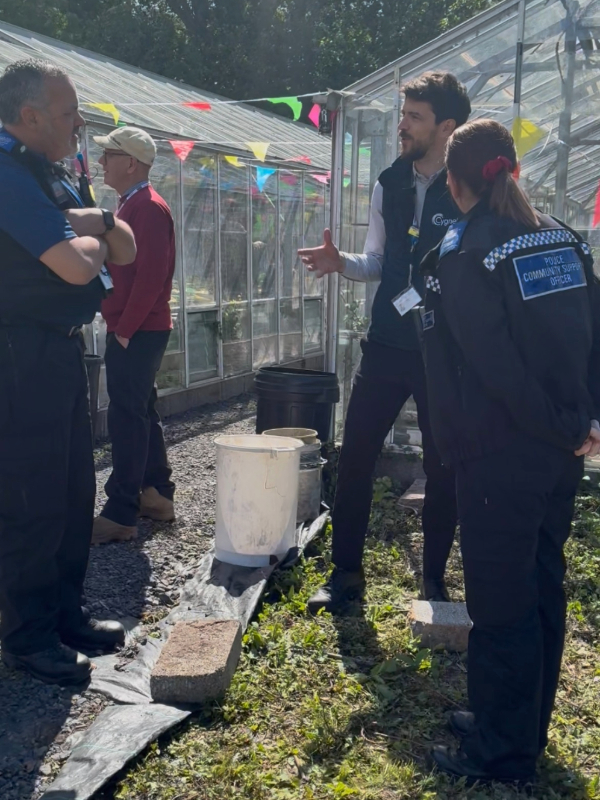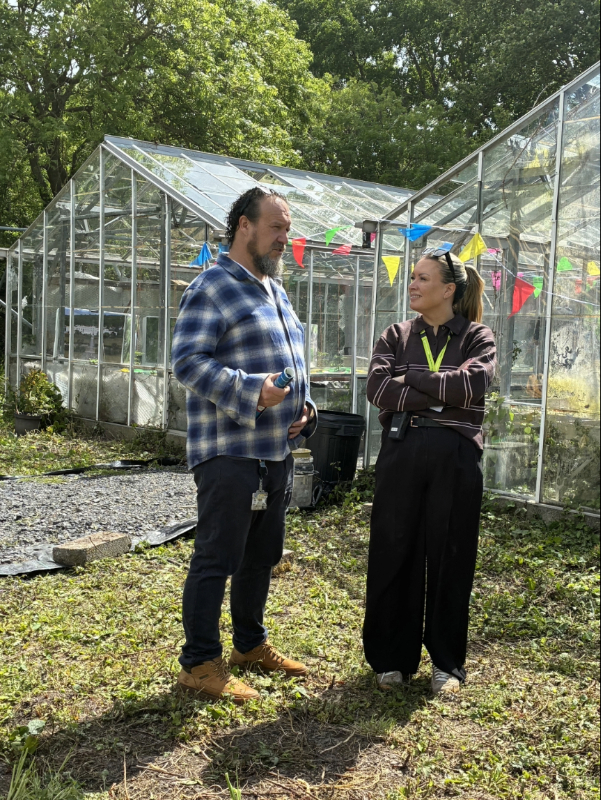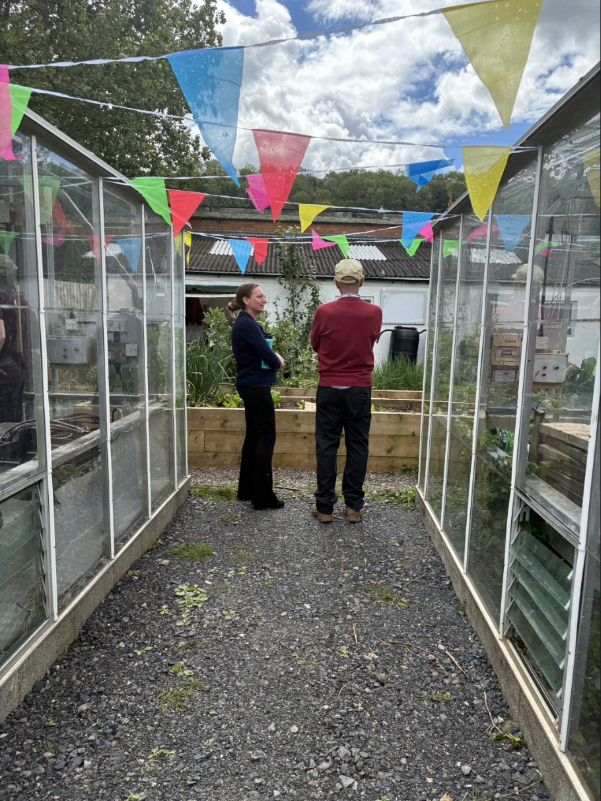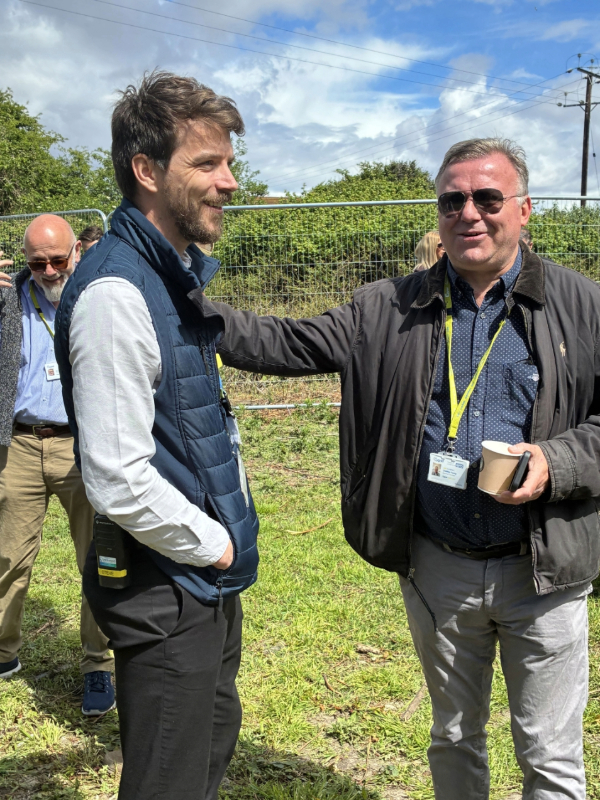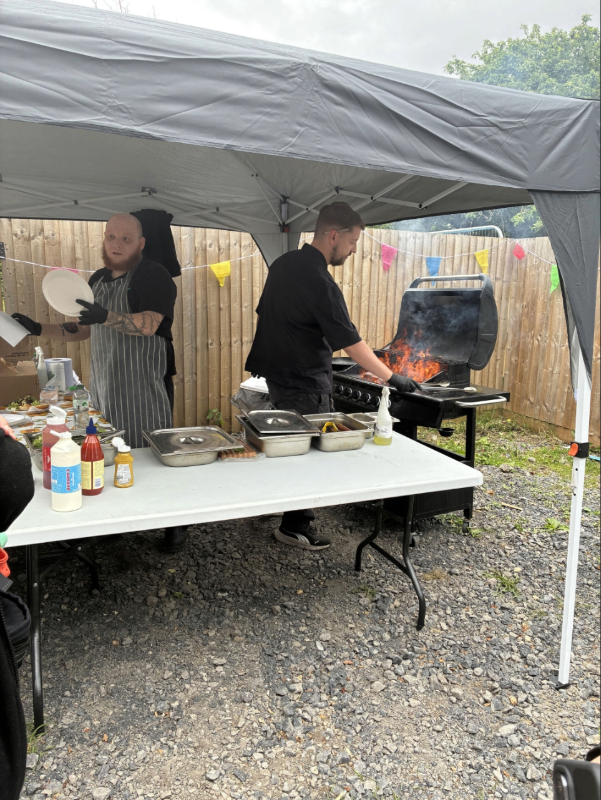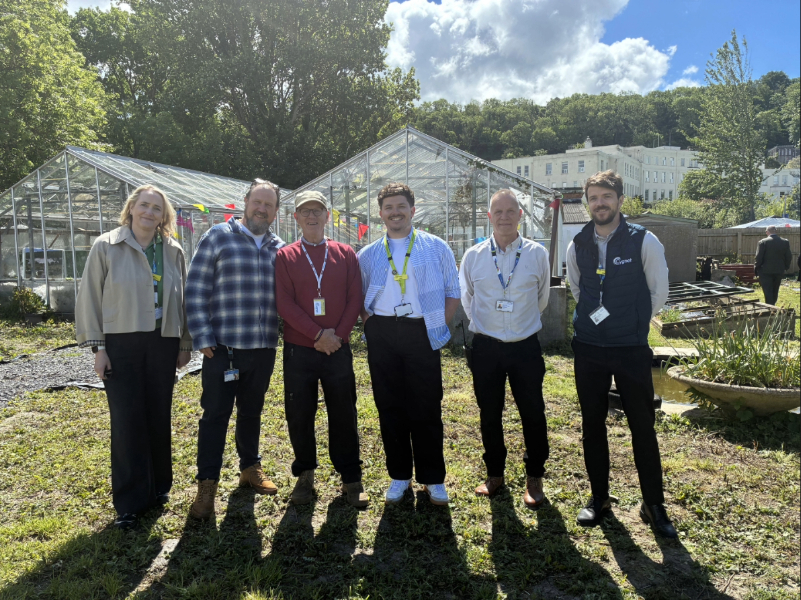
Last week marked a huge milestone for everyone at Cygnet Hospital Kewstoke as we officially opened our Farm Regeneration Project with a Community Engagement Day that brought together service users, colleagues, carers, neighbours and local partners to celebrate a transformation years in the making.
From overgrown land to opportunity
From 11am until 3pm, the farm was filled with laughter, conversation and activity. Guests enjoyed BBQ food and refreshments, explored the grounds, took part in taster sessions and activities, and met some of the newest and most popular additions to the farm, our goats, who quickly became the stars of the afternoon.

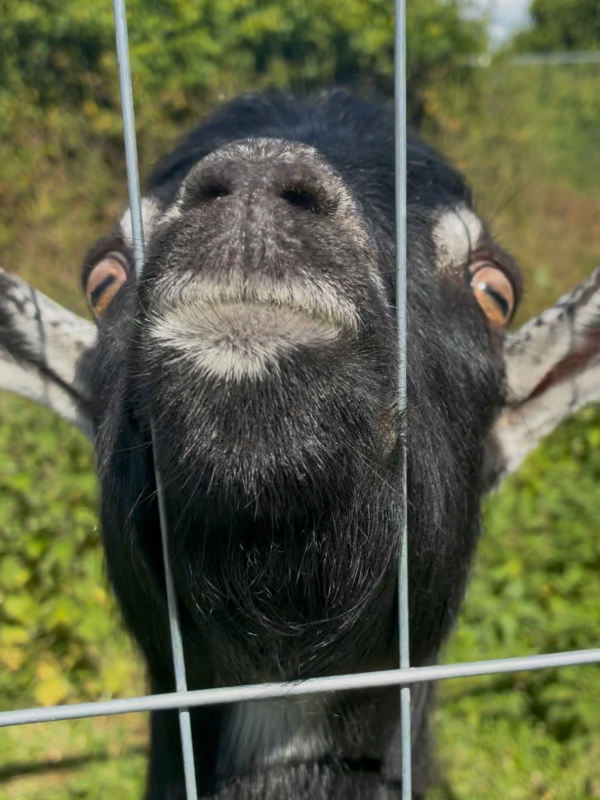
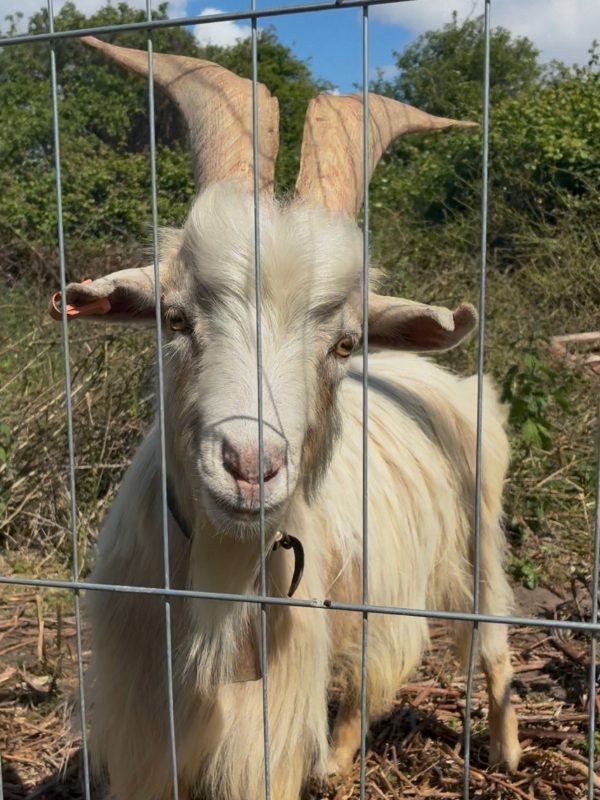
For many people attending, it was their first opportunity to see the scale of the transformation first-hand. And for those of us who have been involved since the beginning, the day felt incredibly special.
Just over a year ago, this land looked completely different. The on-site farm space had stood unused and overgrown for eight years. Nature had reclaimed much of the area, pathways had disappeared and many of the structures had fallen into disrepair. But beneath the overgrowth was an opportunity to create something unique, not simply a garden or activity area, but a therapeutic, recovery-focused environment designed alongside the people who would use it.
Designed with service users, not just for them
From the outset, we were clear that this project had to be genuinely co-produced. At Cygnet, we place huge importance on listening to lived experience, and the redevelopment of the farm became a brilliant example of what can happen when service users, staff and Experts by Experience work together with a shared vision.
Rather than designing the farm for people, we designed it with them. Service users were involved in discussions from the earliest planning stages, helping shape ideas around how the space should feel, how it could support recovery and what activities would be meaningful and accessible. Experts by Experience also provided valuable insight into creating an environment that felt psychologically safe, calming and empowering.
Bringing the farm back to life
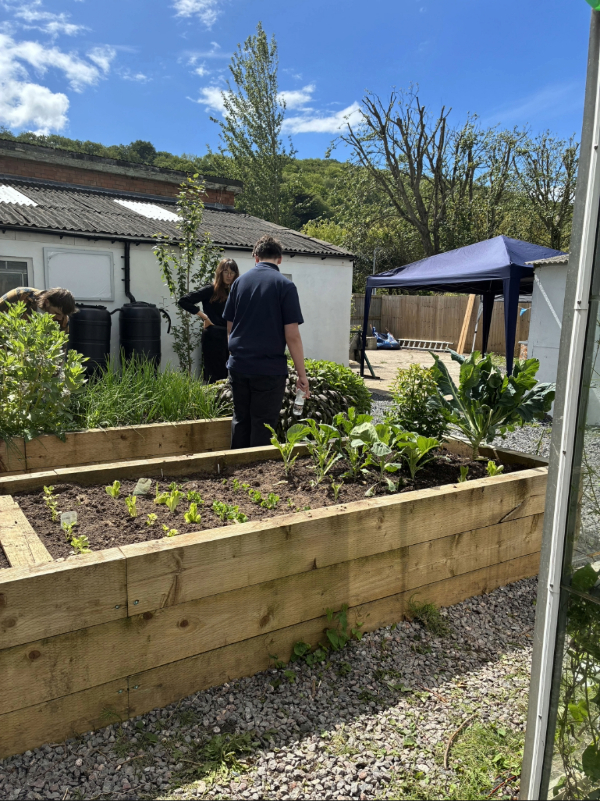
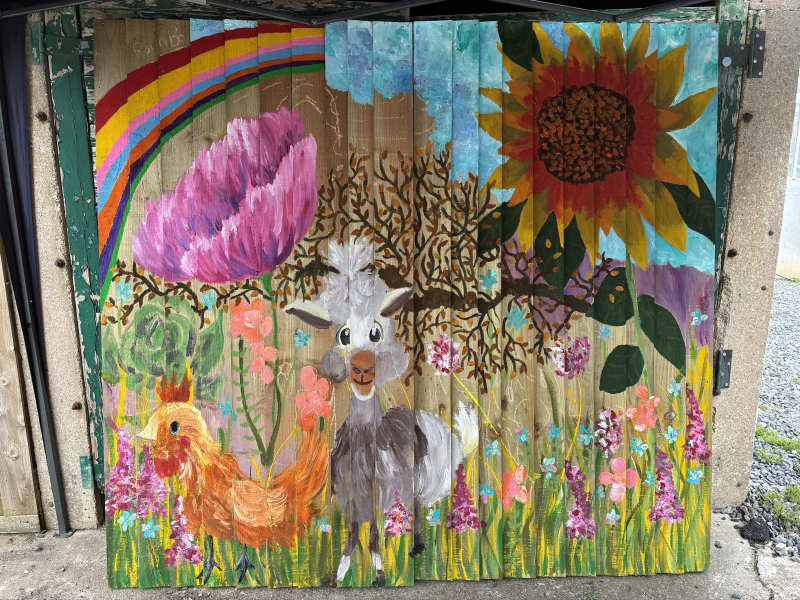
Over the past year, service users have worked alongside our occupational therapy teams to clear years of overgrowth, paint structures, prepare planting areas, restore pathways and help bring the farm back to life. Participation has always remained voluntary and person-centred, allowing individuals to engage in ways that suited their interests, confidence levels and stages of recovery.
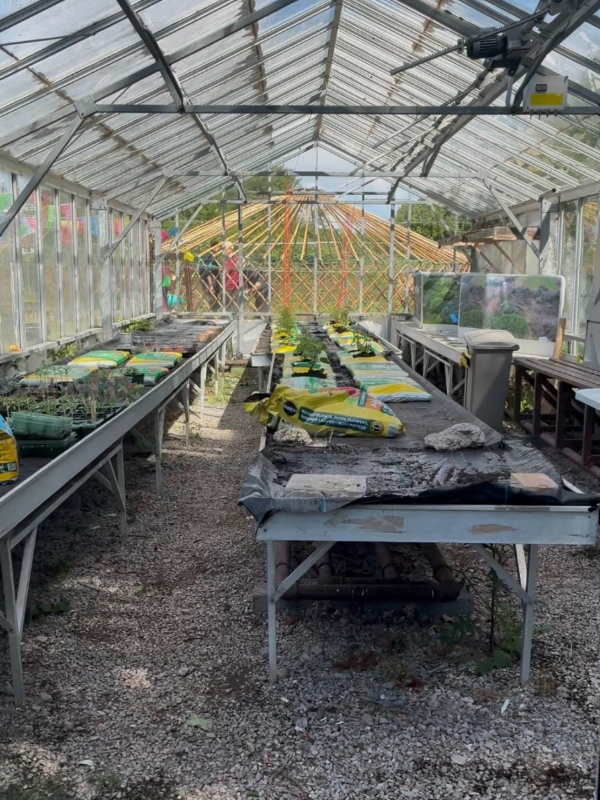
The farm is now a thriving therapeutic and horticultural hub. Service users are planting seeds in the greenhouse, growing vegetables, harvesting produce and taking part in cooking sessions using ingredients they have cultivated themselves. Our first harvest, including onions, lettuce and cauliflower, represented far more than produce, it represented patience, teamwork, confidence and achievement.
A space for recovery, confidence and growth
Staff have also seen the impact first-hand. The difference in people’s confidence has been incredible. Some individuals who initially avoided group activity are now actively leading tasks and encouraging others to get involved. The farm gives people purpose and routine in a very natural way.
There’s something really grounding about this space. You can physically see the benefits. Conversations happen more naturally here, people relax outdoors and there’s a genuine sense of ownership among service users.
A community celebration for opportunities beyond the hospital
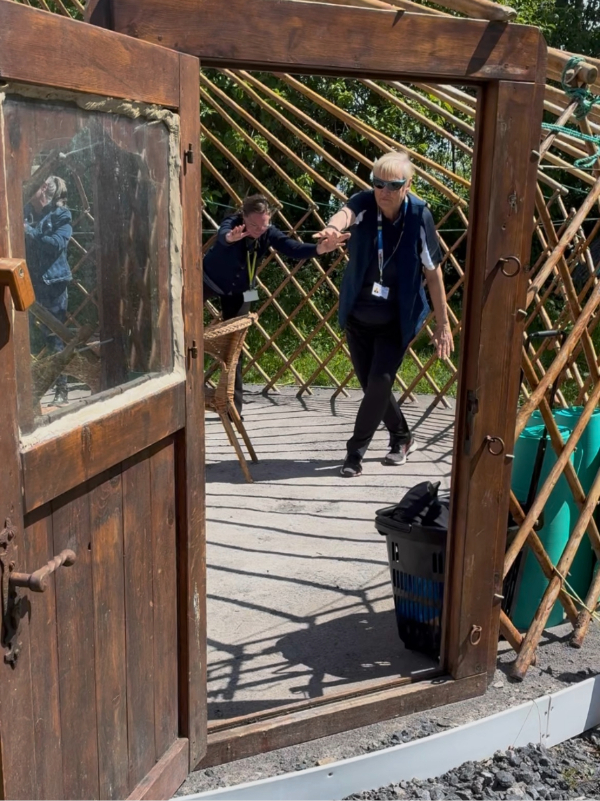
The official opening was also an opportunity to showcase the Yurt, our purpose-built therapeutic gathering space located within the farm grounds, kindly donated by colleagues at www.growingbetterlives.org . Throughout the day, visitors gathered inside the Yurt to hear more about the project’s journey, future ambitions and the partnerships helping shape its next chapter.

One of the most exciting developments is our growing connection with Weston College. We are currently exploring opportunities to create vocational and educational pathways linked to horticulture, wellbeing and practical skills development.
This partnership has the potential to open meaningful opportunities for service users to engage in learning, develop confidence and gain transferable skills that support recovery and independence beyond inpatient care. We are passionate about ensuring the farm becomes not just a therapeutic environment, but a bridge into community connection, education and future opportunity.
Alongside this, we are continuing to develop relationships with local horticultural experts and explore ways the project can give back to the wider community through volunteering opportunities and produce donations to local food banks.
What stood out most during the opening event was the overwhelming sense of pride. Pride from service users who could see the direct results of their hard work. Pride from staff who have supported the project every step of the way. And pride from local stakeholders who recognised the positive impact the farm is already having.
The atmosphere throughout the day was warm, welcoming and hopeful. Guests wandered through growing areas, spoke with service users about their experiences, relaxed in the Yurt and enjoyed seeing the space being used exactly as intended, as a place of connection, wellbeing and recovery.
More than a farm
For me personally, the opening was a powerful reminder of what recovery-focused care can look like when organisations genuinely listen and create opportunities for meaningful involvement.
This project is about far more than regenerating land. It is about rebuilding confidence, developing skills, strengthening identity and creating opportunities for people to reconnect with themselves, with others and with their community.