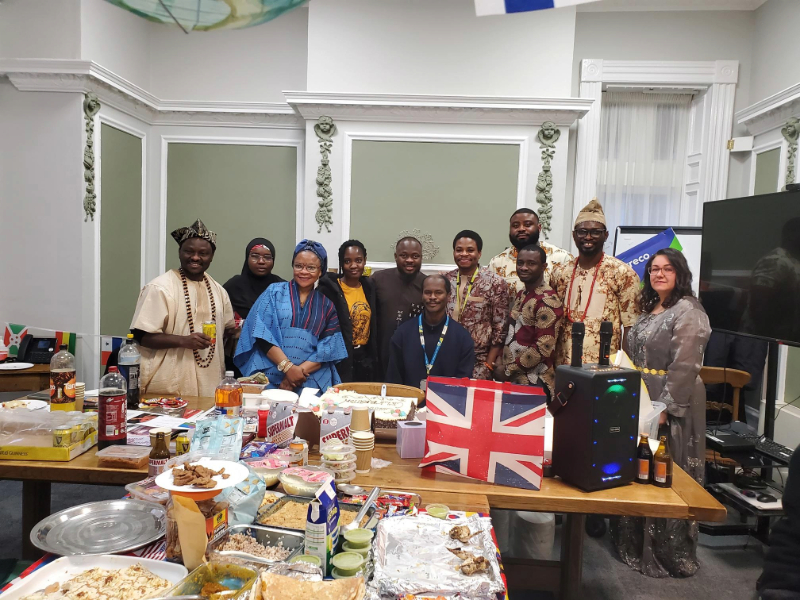
Since launching in March 2025, Cygnet have been working across its services to embed the Patient and Carer Race Equality Framework, which focuses on improving race equality in mental health services by centring the voices of patients, carers and communities.
Witnessing inclusion in practice at Cygnet Hospital Wyke
As Cygnet’s PCREF Carer lead, I often talk about the importance of inclusion. On the day I attended the Culture Day at Cygnet Hospital Wyke, I actually witnessed it happening in real time.
The day began with something very simple but incredibly important, which was introductions. Everyone in the room, one by one, shared who they were and why they were there. Staff from across the hospital, patients, advocates, carers, community partners and visitors all introduced themselves. There was no hierarchy in that moment. No one was rushed. No one was overlooked. I was also glad to see Clare, the latest Cygnet Carers Ambassador.
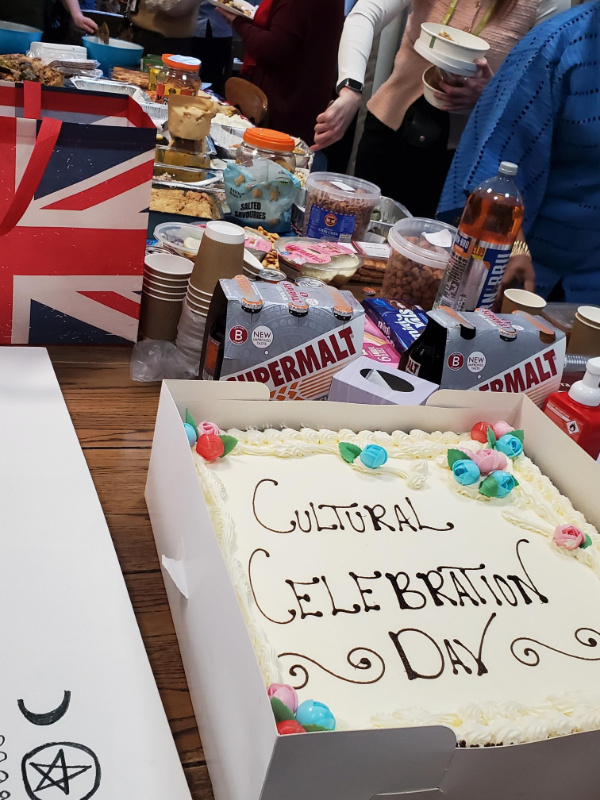
Izzy, the PCREF lead at Wyke, opened the day by explaining why the event mattered. She shared that this was the first culture day the hospital had held for external visitors to attend, and that the intention was to bring people together and to create space to talk, share experiences, break down barriers and get to know one another beyond job roles or patient labels. As someone with carer lived experience, the intention immediately resonated with me.


Sharing lived experience through cultural presentations
What followed was a series of cultural presentations that were honest, personal and deeply moving.

Celebrating Nigerian culture, identity and heritage
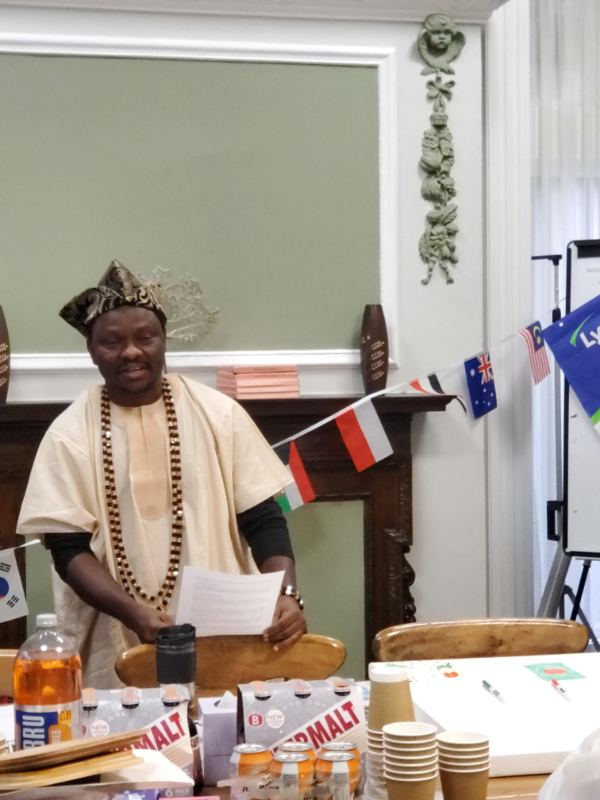
One of the first speakers shared Nigerian culture, wearing traditional clothing and explaining the meaning behind it. He spoke about names, identity, heritage, and Nigeria as the “giant of Africa”, rooted in community, respect and celebration. Standing there, he wasn’t just educating, he was reclaiming space to define himself on his own terms.
Understanding Pakistan and Kashmir
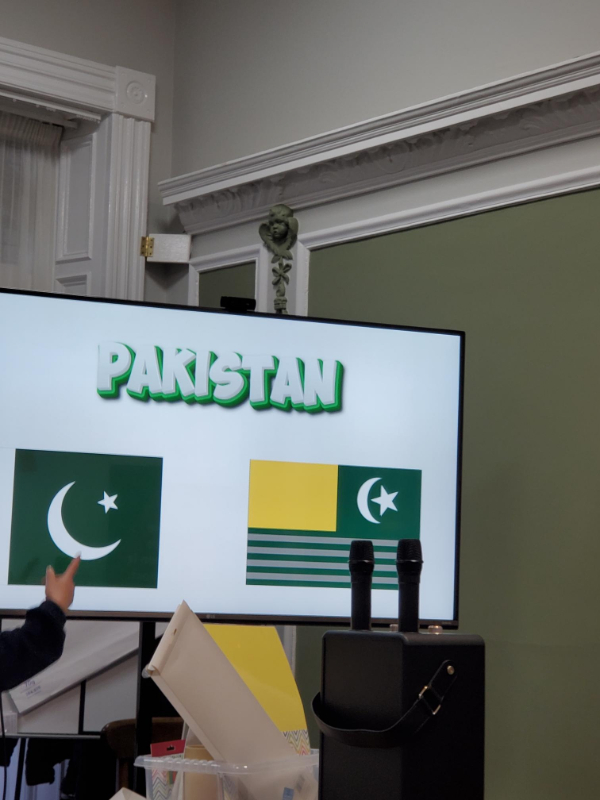
We then heard about Pakistan and Kashmir. The presentation explained the geography, regions, flags and political identity of Kashmir, alongside the symbolism within the flag itself, which is peace, unity, and representation of ethnic minorities. There was discussion of strong family values, hospitality, traditional clothing, music, poetry and food.
“These weren’t abstract facts; they were lived realities.”
Learning about Bangladesh’s history and language
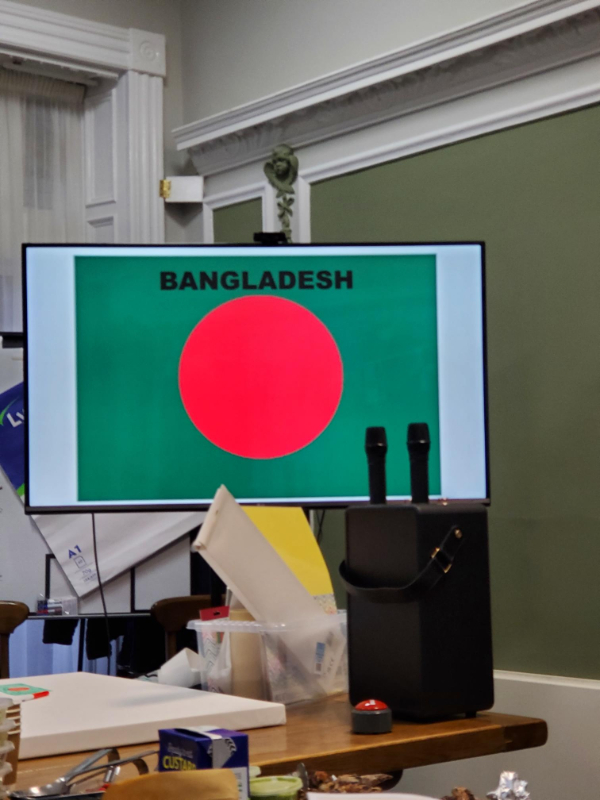
Next a presentation on Bangladesh followed, and I felt I learned a lot. The speaker spoke about Bangladesh’s history, its fight for independence, and the significance of language to identity. The speaker explained that Bangladesh is one of the few countries formed primarily around language, and that poetry, music and storytelling remain central to everyday life.
Exploring Irish culture and tradition
We also heard about Irish culture, its history, literature, music and adaptability. The speaker spoke with humour and warmth, touching on how Irish culture absorbs influences while holding onto deep traditions of art, storytelling and community. There was laughter, but also learning.
Amplifying Gypsy, Roma and Traveller voices
One of the most important contributions came from a speaker representing Gypsy, Roma and Traveller communities. She spoke about nomadic culture, survival, family, pride, and the challenges of maintaining traditions within systems that aren’t built to accommodate them. She reminded us that these communities are often misunderstood, marginalised and overlooked including within healthcare. As a carer, this was a powerful reminder that race equality work must include communities that are frequently forgotten.
Faith, identity and spiritual support in mental health services
Faith was also represented. The local external Imam spoke honestly about his own mixed heritage and role within the service. He shared how faith support exists not just for Muslim patients, but for anyone needing guidance, understanding or spiritual care. His openness highlighted how faith and culture intersect in complex and deeply personal ways.
Going beyond formal meetings
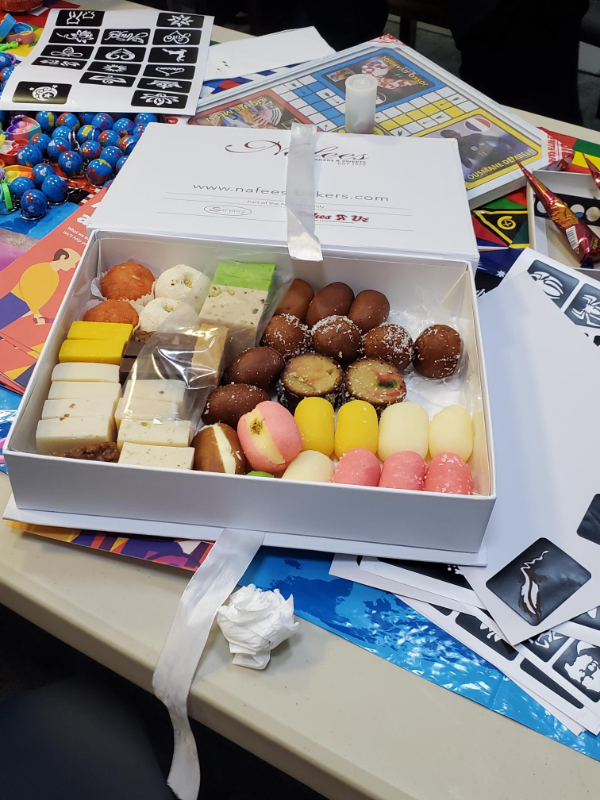
Throughout the day, there was laughter, applause, questions and shared moments of recognition. Food from different cultures was shared. People moved around the room, talked in smaller groups, played games, and connected in ways that simply don’t happen in formal meetings.
What stood out to me most was that service users weren’t spoken about, they were also speaking. They were connecting with their knowledge respected. Their identities were visible.
What embedding Race Equality looks like in practice
From a PCREF perspective, this is what embedding race equality looks like in practice. Not just policies, data and action plans, but spaces where people feel safe enough to share.