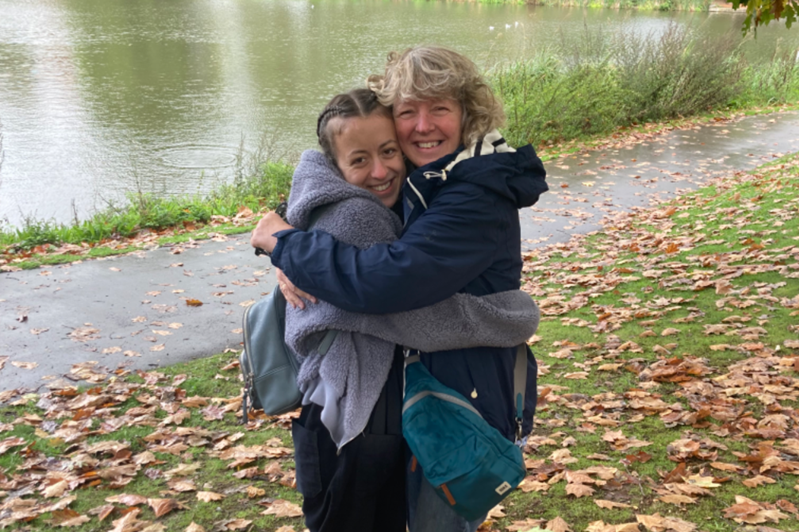
Before and after Cygnet Nield House
Before my daughter was admitted to Cygnet Nield House in July 2023, our world felt very small. We were exhausted, frightened, and struggling to see a way forward. When she arrived at Nield House, we had the sense she was finally safe and in the right place to meet her needs.
When she was discharged in July 2025 – two years later – she walked out of those doors healthier, stronger, hopeful, and truly excited for her future.
And I walked out having learned something I never expected to relearn at this stage of her life. How to simply be her mum again.
From carer to mum
In late 2024 I wrote about the experience of becoming a “carer”, which is a label I resisted for a long time. Now I’d like to share what it has meant to move back from “carer” to “mum”.
Over her time at Cygnet Nield House, my daughter slowly began to settle. She built trusting, genuine relationships with staff. She engaged wholeheartedly in her treatment plan that brought together her eating difficulties and her mental health needs in ways she had never received before.
As she grew more stable, I wrote last year that I was starting to enjoy being her mum again, rather than the crisis-manager version of myself I’d become. I wasn’t her counsellor, her therapist, or even her carer anymore. I was finally just Mum.
The first conversations about discharge
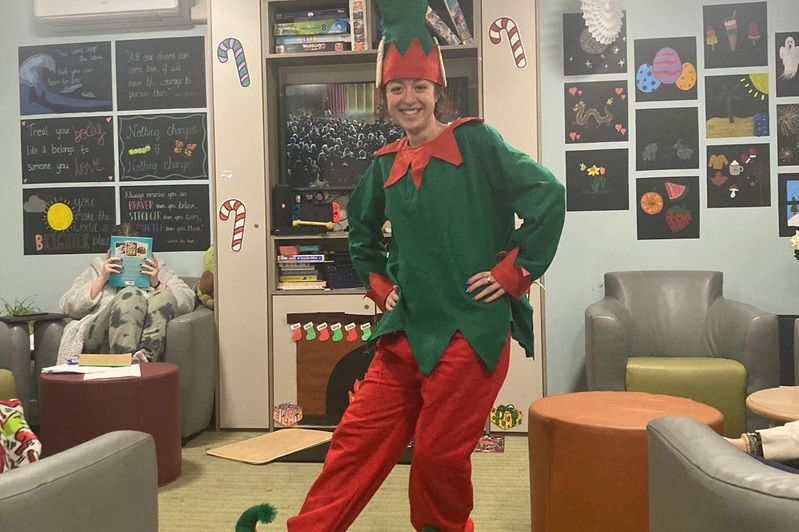
Around Christmas 2024, the word “discharge” came up for the first time. The plan was for her to leave late summer the following year. I expected to feel thrilled. Instead, something inside me froze. Because we had done this before and it had gone painfully wrong.
In previous discharges from acute NHS services, we were not listened to. Our concerns were brushed aside. And everything we feared came true. Three months later, she was back in hospital, more unwell than she had ever been. We felt we had failed her, or worse, that the system had failed her and we had no power to stop it.
We refused to bring her back home without the right support. We fought for her, pushed for her, challenged everything that needed to be challenged, and finally, she was offered a place at Cygnet Nield House. An out-of-area placement, 70 miles from home, but the first setting that felt truly right.
That decision saved her life.
Preparing for a new chapter
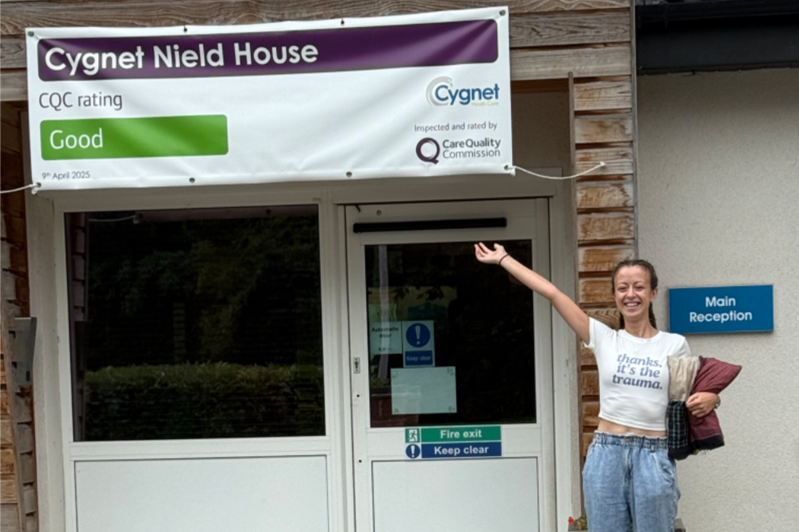
A year ago I wrote: “As parents, we are proud of how far she has come. Discharge is still months away, but I’m hopeful that a bright future exists for her when she returns to independent living.”
Now suddenly, that future was close enough to touch.
My daughter has worked harder than I can describe. She has faced challenging personal circumstances on top of her mental health and eating difficulties. But with the right therapy, at the right time, delivered by the right people, she started to truly believe that she had a future.
Her confidence grew. Her self-belief returned. Her smile came back. She started going out, visiting friends, travelling by train, taking part in normal everyday things. Step by step, she rebuilt her independence. We got to hear her laugh again.
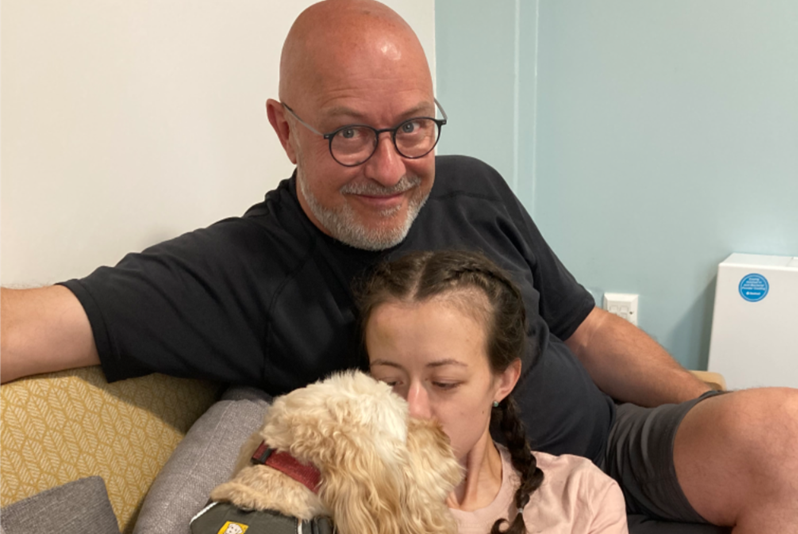
Eventually, she was taken off her section and began preparing for discharge. One of the most symbolic milestones was when she was allowed her car again several weeks before leaving hospital. Being able to drive and to come home by herself, to go out for coffee, to simply be a 27-year-old, gave her a freedom that felt like a turning point.
Mixed emotions and letting go
With all her progress, people assumed I must be thrilled. I was, but I was also frightened. The emotions were far more complicated than I expected. I kept slipping back to memories of the previous failed discharge. I was scared of change and scared of losing the “safety net” we’d depended on. I felt anxious about her care returning to the NHS and whether she would get lost in the system.
I worried about her having to rebuild new professional relationships from scratch and I felt isolated, unsure where our support would come from once she left. I wondered whether I would fall back into being her carer instead of her mum.
Truthfully, I felt a real sense of loss because for two years, the staff at Nield House had become like family to us. We saw them weekly and they supported us emotionally as much as they supported her. During Ella’s time at Nield, we lost both my parents which was a very difficult time. Staff were incredible in looking after Ella through that period and knowing she was safe really helped me. Letting go of that support was incredibly hard.
These feelings weren’t negativity. They were honesty. I think a lot of parents in similar situations would feel exactly the same.
How Cygnet helped with discharge
The difference this time was the way Cygnet supported us all.
We were included in every decision by the Multi-Disciplinary Team. Our views, worries, and fears were not just listened to, they were taken seriously. We were shown, step by step, that she really was ready.
We were involved in:
- All stages of discharge planning
- Discussions about accommodation
- Increasing lengths of home visits
- Open, honest conversations about what life after discharge would look like
- Coordinating with her local care team
- Ensuring that plans and people were in place before she left
Her care coordinator played a crucial role especially as she was an out-of-area service user. That relationship was key to the smoothness of the whole process.
All this meant that when discharge day finally arrived, it didn’t feel rushed or frightening. It felt thoughtful, collaborative, and real.
Life after hospital
When the day came, she walked out smiling, excited and ready. That first night, she was in her new home on her own. I didn’t sleep a single minute. I kept my phone beside me, waiting for it to ring. We had been conditioned into crisis-response mode for so long that silence felt dangerous.
But the phone didn’t ring. The next day, there was more silence. In the past that would have terrified me. But this time it felt different. I was worried, yes. But I wasn’t scared. She was managing. She was coping. She was taking responsibility.
For me, the hardest part now is stepping back, learning not to fuss, not to fill in the silences, not to pre-empt every difficulty. Letting her ask for help when she needs it, not overwhelming her with well-meaning support.
And part of that involves learning more about her recent ADHD diagnosis and understanding how easily she can feel overwhelmed, how much she masks, and how to support her without adding pressure. It is a new chapter for us as a family and we are all still learning.
What normal looks like now
For so many years, our lives revolved around crisis management. We didn’t make plans. We didn’t go far from home. We didn’t book holidays. Everything felt temporary.
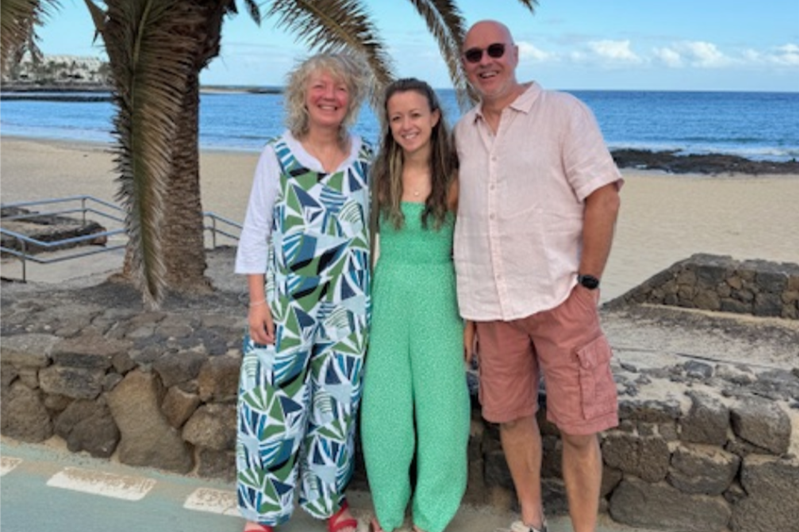
Now? We’ve booked a holiday five months in advance, something we haven’t done in years. I go to regular exercise classes and prioritise my own wellbeing again.
We are slowly rebuilding what “normal” even means for us. We can plan ahead without fear that plans will need to be cancelled.
Food is no longer a difficult topic. We can shop together, eat out, talk about food, even buy something simple like an advent calendar. Christmas is enjoyable again and we are really looking forward to having this one with Ella at home.
We even went on an all-inclusive holiday to Lanzarote in September which was full of laughter, sunshine, and no crises.
Our lives today are full of humour and joy, which are things that felt impossible not long ago. My daughter is now planning something extraordinary: a volunteer trip to Borneo to work with orangutans. This has long been her dream and something she never would have believed she was capable of two years ago.
Seeing her excited about her future is one of the greatest gifts I’ve ever been given as her mum. We have a closer, more honest relationship now. We laugh together. We talk about things we never would have touched when she was unwell. We enjoy normal days together, things like quiet cups of tea, errands, silly jokes, the simple things that mean everything.
The difference support can make
The team at Nield House were exceptional. Even on the nights I panicked early on in admission, they answered the phone, reassured me, and made us feel supported. They became our extended family at a time we desperately needed one.
Now, because of everything they helped her achieve, we have our daughter back. A stronger version of herself, she is brighter, happier, more confident.
I didn’t realise I had become her carer until someone named it. I thought I was just doing what parents do, fighting for their child when their child can’t fight for themselves.
But I was in overdrive. Constantly battling, advocating, pushing, protecting. It gave me a sense of purpose when everything else felt helpless.
Now, it’s different. Now I get to be a mum again. We no longer wait for the phone to ring. We no longer put our lives on hold. We no longer tiptoe around crisis.
We have our lives back, with our incredible daughter in them. She has her life back too.
I don’t know where she found the strength she’s shown. I don’t think I’ll ever fully understand how hard her journey has been. But hearing her laugh again, watching her talk about her future, and seeing her truly happy is priceless.
Being her mum will always be the best job in the world. Now, I finally get to do that job again.