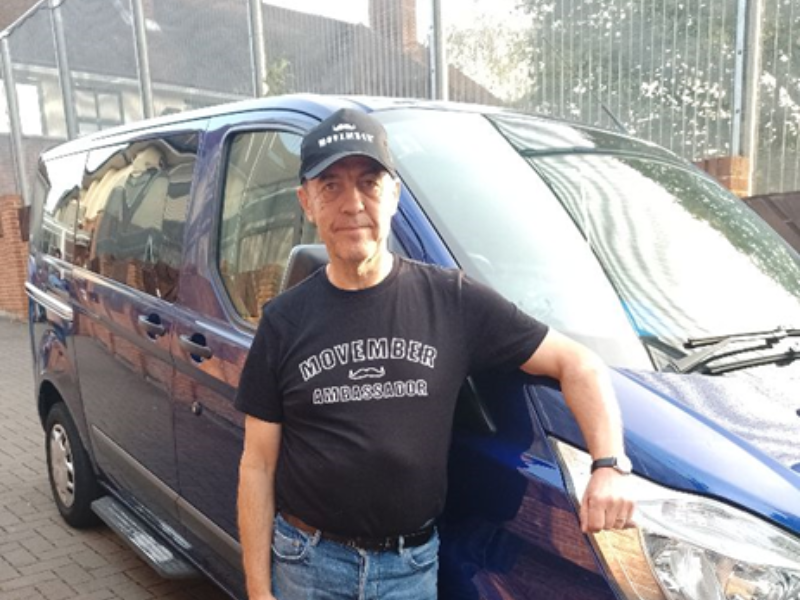
Cancer Survivors Day on 7th June was a time for us to celebrate cancer survivors and better people’s understanding of the emotional and physical challenges of survivorship. After nearly 10 years, it is easy to sometimes forget that I am a survivor and I just slip back into my day-to-day life.
Having had prostate cancer so young and without any symptoms, it is important to me to share my story and raise awareness of prostate cancer.
In August 2016, I was diagnosed with prostate cancer at the age of 52, which is very young for this type of cancer. I then underwent surgery to have my prostate removed in October 2016.
However, there then followed a few years of great anxiety.
The tissue analysis following my operation indicated that there were cancerous cells at or near the knife line. This meant that there was uncertainty on whether my operation was a full success. Unfortunately, the only way this could be monitored was by a blood test every three months to test if my PSA (Prostate Specific Antigens) reached and stayed at a negligible level.
This meant my wife and I went through a quarterly anxiety cycle following each blood test. The anxiety would start when I booked the test and really only subsided when I went to see the consultant to receive the results. However, each time my results were good and gradually I moved to six-monthly tests then yearly tests. Now our anxiety levels have all but disappeared. And here I am nearly 10 years later, alive and well.
I learnt a great deal in my journey about cancer generally and prostate cancer specifically, especially the huge advances in the detection and treatment of cancer which means that survivorship rates have improved dramatically.
I now work with two charities.
I am a Community Ambassador for Movember where my main drive is to raise awareness of men’s health particularly mental health and testicular and prostate cancers.
I am also a volunteer with The Prostate Project which is based at the Royal Surrey Hospital where I was treated. As a group, we raise funds to provide cutting edge equipment for the hospital and to fund research at the University of Surrey.
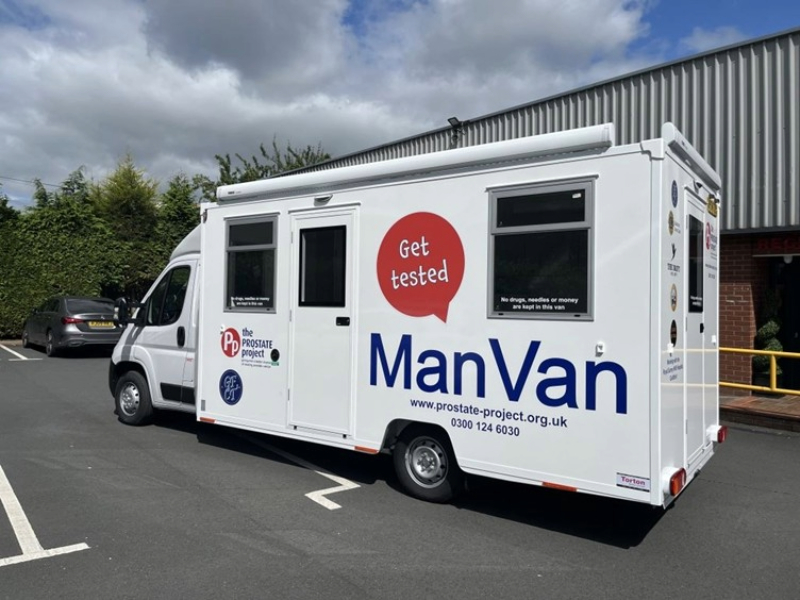
We also attend events to either raise awareness of prostate cancer and the importance of being tested or we can run prostate cancer blood testing events. The testing events can be in a community space or we can use our “Man Van”.
My experience has also influenced the work I do at Cygnet. In November, I persuaded the reception team at Cygnet Hospital Woking to celebrate Movember and we decorated the reception area.
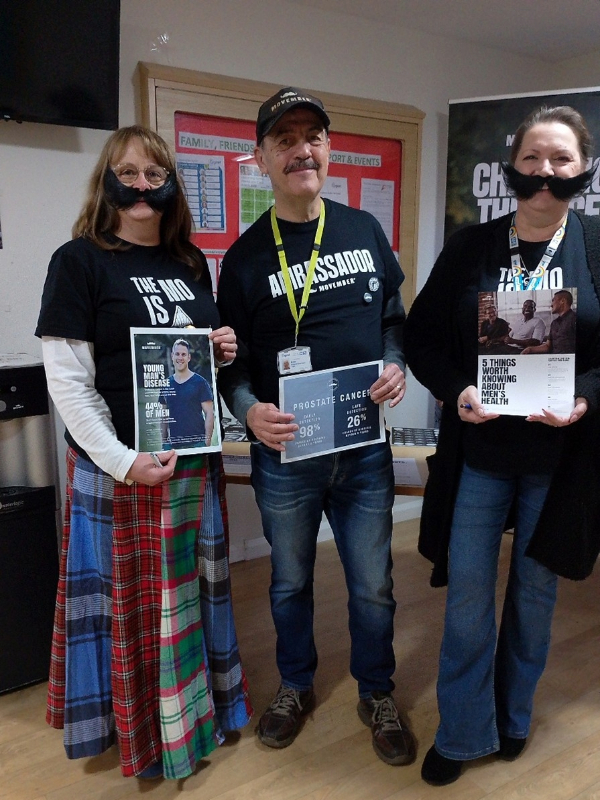
I also publish awareness articles in the Woking Weekly newsletter. And perhaps most importantly, on a couple of Friday mornings, I manned a table in reception in the period when the day shift arrived and the night shift were leaving. I used this to answer important questions, hand out leaflets and generally engage our staff in conversations on men’s mental health, testicular and prostate cancer.
Cancer Survivors Day particularly motivates me to seek opportunities to explain to other people the importance of participating in screening programs or seeing your doctor if you have any concerns. I want to spread the word that cancer diagnosis and treatment has improved hugely, leading to much better survivorship, particularly in cases the earlier the diagnosis is given.
This month and the upcoming anniversary of my operation mean I can reflect on what is important to me. Spending quality time with friends and family and seeking out travel and new experiences is my way of making the most of the extra time my treatment has given me.